Category

News & Press Releases

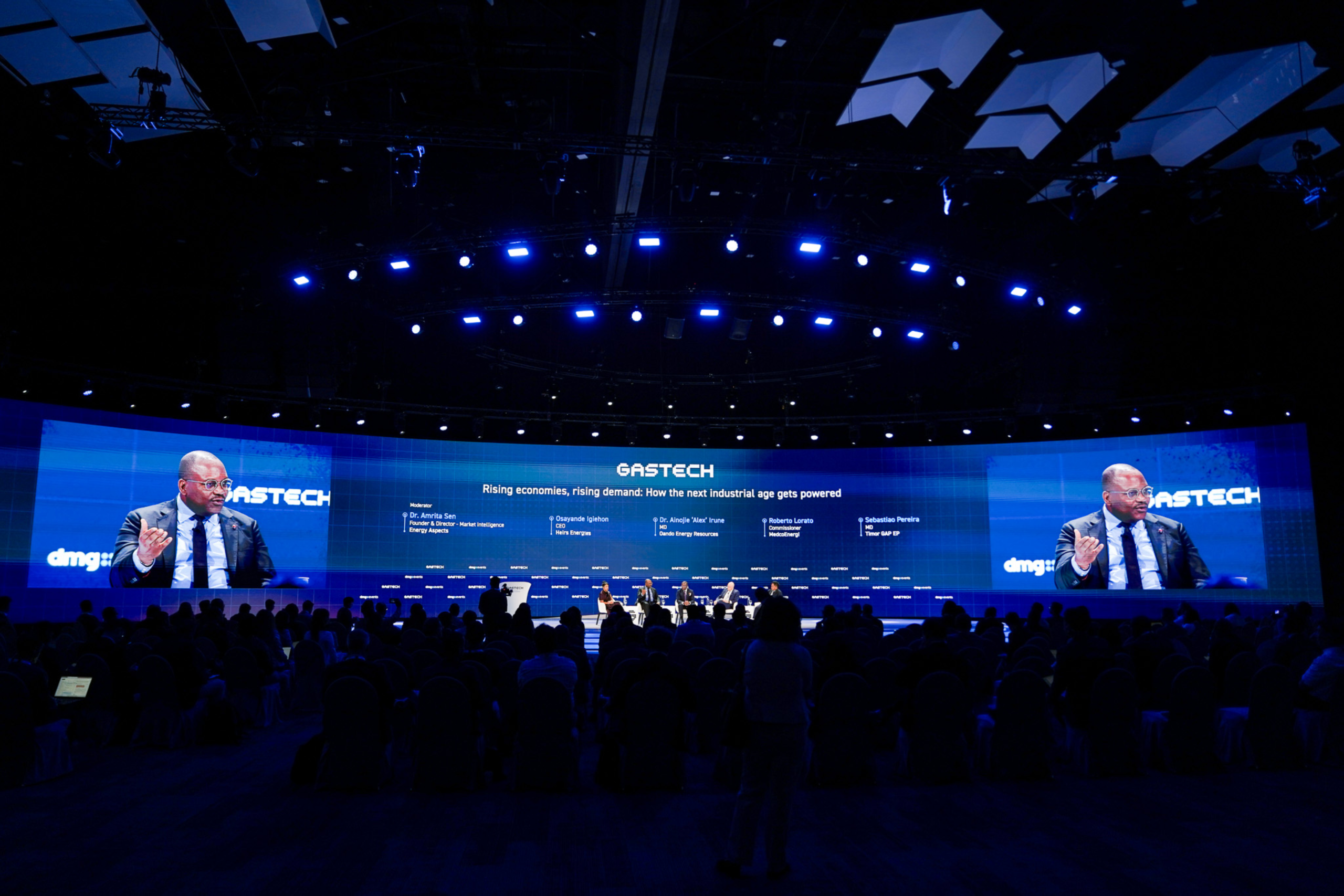
Heirs to unlock new era of industrialisation with gas exploration

Osa_
Osa_

Driven by its African identity, Nigerian independent Heirs Energies operates with an in-house development approach, partnering largely with indigenous contractors

Following its inspiring success story with OML 17, the company is ready to take on further challenging projects, now eyeing the Republic of Congo.

Heirs Energies CEO, Osa Ighiehon, reveals to Oil Review Africa what it takes to thrive as an African independent in today’s energy industry and much more:

What according to you does Nigeria’s oil and gas industry need right now to attain its full potential? 

Nigeria is at a critical moment. We possess the resources and the human capital to be a global energy leader, yet we are constrained by a few critical but addressable challenges. To unlock our full potential, we must act decisively on three fronts.

First, we must establish unwavering policy certainty. The lifeblood of our industry is investment, and capital flows to jurisdictions that offer predictability and stability. We need a clear, consistent, and transparent regulatory framework, one where fiscal term are stable and approvals are streamlined. Without this foundational trust, we risk ceding competitive advantage and watching investment capital migrate to more predictable markets. There has been a lot of progress on this front in the past few years with the Petroleum Industry Act (PIA) and Presidential Directives.

Secondly, we must secure our infrastructure and consolidate the gains we’ve made. The scourge of oil theft has been a direct drain on our national treasury. However, the solution that has been deployed needs to be sustained and the threat/vulnerabilities permanently mitigated. As demonstrated with OML 17, where we moved from a 3% terminal delivery to over 99%, it is possible to secure assets through a collaborative model that integrates community engagement, corporate strategy, and crucially, the strengthened security framework provided by the government. This proven model must now be scaled nationally to protect our vital revenue streams and restore investor confidence.

Lastly, and most critically, we must execute a strategic pivot to gas. While oil built our economy, gas is the undeniable key to our future. Sitting on the largest proven gas reserves in Africa, it is an economic paradox that we remain dependent on imported fuels. Gas is the catalyst that will power our industries, generate stable electricity, and drive sustainable economic diversification. At Heirs Energies, we have moved from rhetoric to action, increasing our gas production from 70 mn standard cu/ft to 125 mn standard cu/ft. This is not merely a business decision; it is a national imperative. By prioritising gas, we can finally unlock a new era of industrialisation and long-term prosperity for Nigeria.

While digitalisation is largely being considered the key to production optimisation, do you believe it’s the sole requisite to success? 

Digital tools are important, but they are not a magic fix. Technology helps us work smarter, but it can’t replace the need for strong leadership and skilled people.

We use technology at Heirs Energies for monitoring and efficiency. But our biggest breakthroughs have come from our teams. For example, our engineers developed a low-cost way to bring old gas wells back to life. That idea didn’t come from a software programme; it came from deep understanding, out-of-the-box thinking and a solution mindset.

While digitalisation gives us better data, our success finally depends on our people – their expertise, ingenuity and commitment to safety. Its this human element that truly makes the most difference.

What is Heirs Energies’ future strategy with OML 17 and other oil and gas assets? 

Our strategy is to build on the proof point that OML 17 represents. When we acquired it, many doubted whether a Nigerian independent could revive such a complex, underperforming asset. Today, we have doubled production, restored security, and brought new energy to the domestic gas market. That success gives us the confidence to look ahead with intent.

At OML 17, we are determined to keep pushing performance higher – optimising oil output, scaling gas production further, and embedding the community partnerships that have become a hallmark of our approach. But the bigger picture goes beyond one asset, we see opportunities across Nigeria and Africa to apply our Brownfield Excellence model – identifying underperforming fields, deploying innovation and discipline, and turning them into engines of growth.

What matters to us is creating long-term value for our investors, for the communities where we operate, and for the economies that depend on reliable energy. That means expanding carefully, investing responsibly, and ensuring that every molecule we produce helps to power Africa’s development. OML 17 was the beginning – but our ambition is to shape the model of how African companies can deliver world-class results and shared prosperity, consistently and at scale.

Made In Nigeria: Heirs Energies Leans On Local Talent To Revive OML 17

Obigbo-Flow
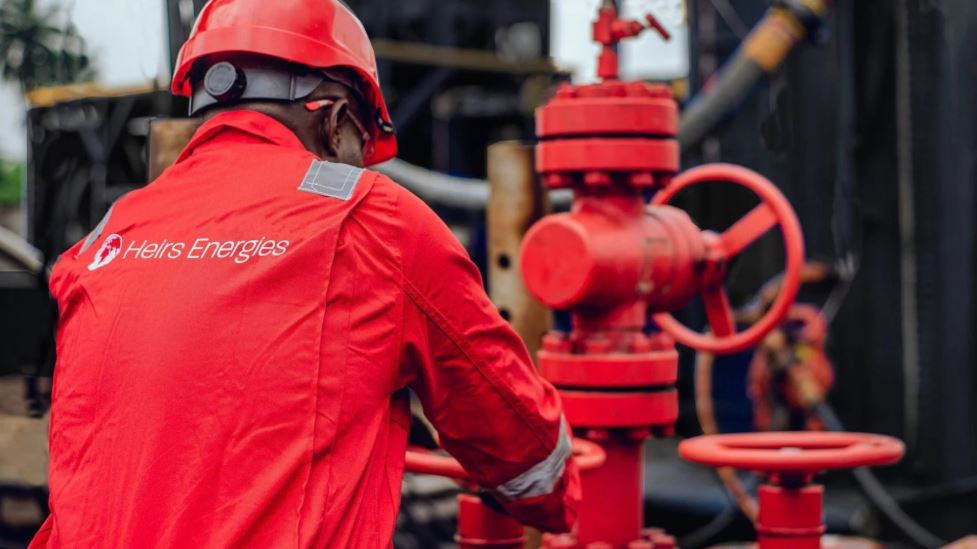
Field Worker

With investments in training and indigenous contractors, Heirs Energies restored production at a once-struggling asset, signalling confidence in Nigerian expertise and the future of domestic energy.

When Heirs Energies took over Oil Mining Lease (OML) 17 in 2021, the asset was struggling. Production had dwindled and infrastructure was ageing. Four years later, the story has changed dramatically: oil output has more than doubled, gas production has surged, and the field is now run entirely by Nigerians.

Heirs Energies, Africa’s largest indigenous-owned energy company, deliberately bet on local capacity. Instead of relying on costly foreign consultants, the company staffed their over $1billion investment, OML 17, with a 100% Nigerian workforce and ensured that 95% of contracting was awarded to indigenous firms.

“We believe in ownership, speed and resilience,” says Osayande Igiehon, CEO of Heirs Energies. “Local teams understand terrain, culture and communities better. Building Nigerian capability secures our long-term licence to operate.”

Obigbo-Flow

This focus on people and culture has been a large part of the transformation.  Vice President of Human Resources,  Ms Eluemuno` Olumagin, explains: Heirs Energies has strategically assembled a phenomenal team and fostered an enabling culture that drives innovation and challenges the status quo. Our unwavering commitment to developing talent and contractor capacity has culminated in a highly skilled Nigerian workforce that successfully and safely operates one of the most complex assets in the country. This performance is a compelling demonstration that African organisations, through strategic people investment, can compete and excel on the global stage.”

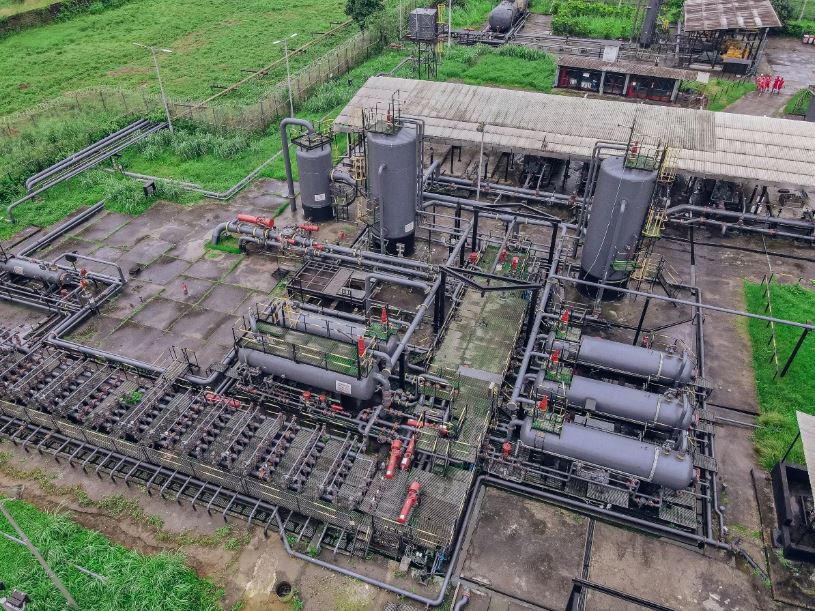
The results speak for themselves. Oil production in OML 17 rose from around 20,000 barrels of oil equivalent per day  (boepd) in 2021 to consistently exceeding 50,000 boepd in 2025, while gas output climbed from 70 million standard cubic feet per day (MMscf/d) to around 125 MMscf/d. Now, Nigerian engineers and contractors manage five flow stations, two Associated Gas Gathering (AGG) plants, and two Non-Associated Gas (NAG) plants. The ripple effect has boosted the economy of Rivers State and beyond, creating jobs and strengthening local supply chains.

Reaching this point involved overcoming significant obstacles. According to Igiehon, three hurdles stood out:

  • Skills: Addressed through structured training programmes, mentorship opportunities, and partnerships with original equipment manufacturers to facilitate on-the-job learning.
  • Processes: Outdated systems were replaced with lean, value-driven operations and global Health, Safety and Environment standards.
  • Vendors: Capacity was expanded to build a 95% indigenous contractor base, keeping jobs and spending in Nigeria.

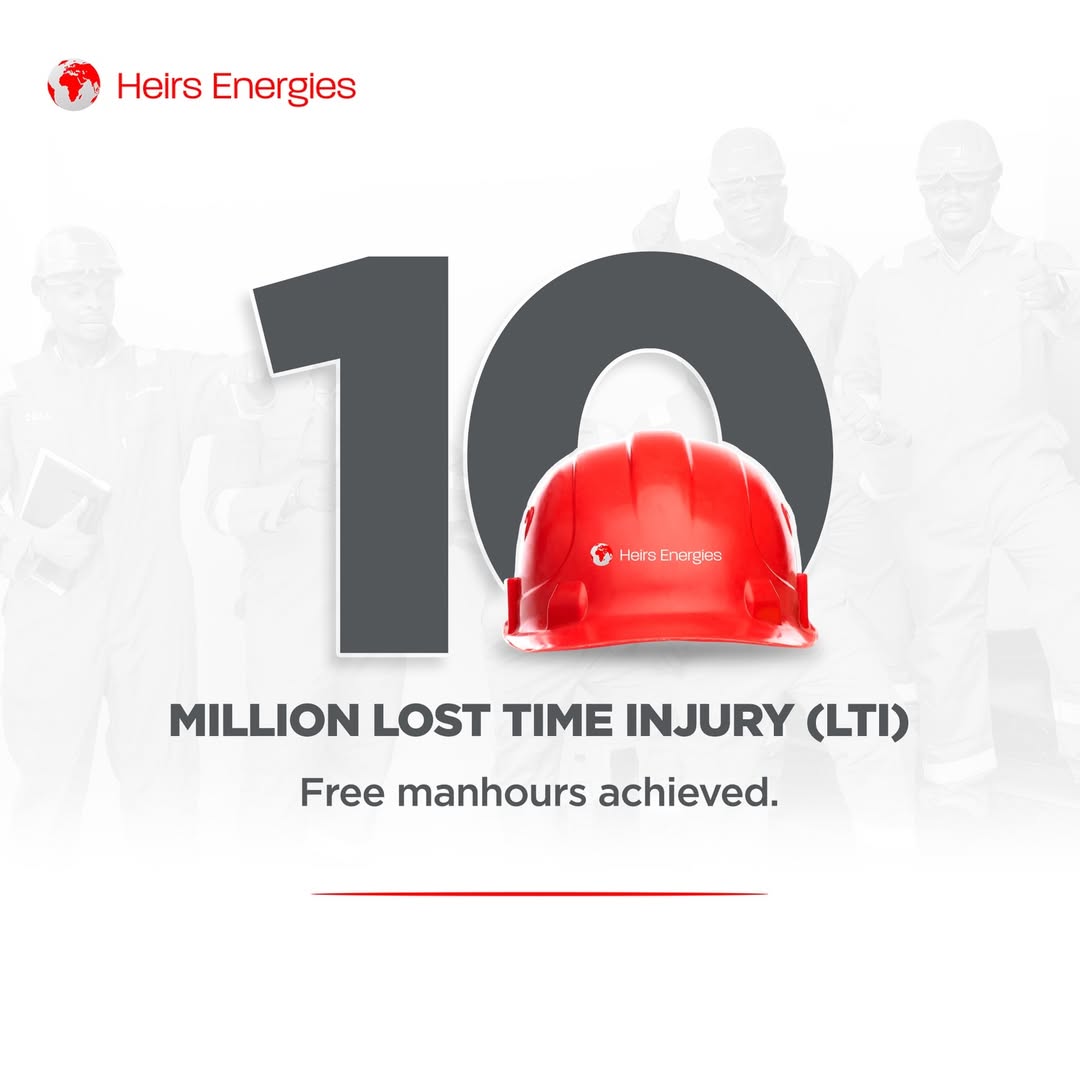
Once these foundations were in place, the company focused on repairing and expanding OML 17. Ageing pipelines were fixed, bottlenecks were removed, and more than 100 dormant wells were reactivated. Safety became a core value: staff were trained to see themselves as safety officers, leading to over 1.5 million safe man-hours and 1,627 Lost-Time Injury-free days by mid-2025.

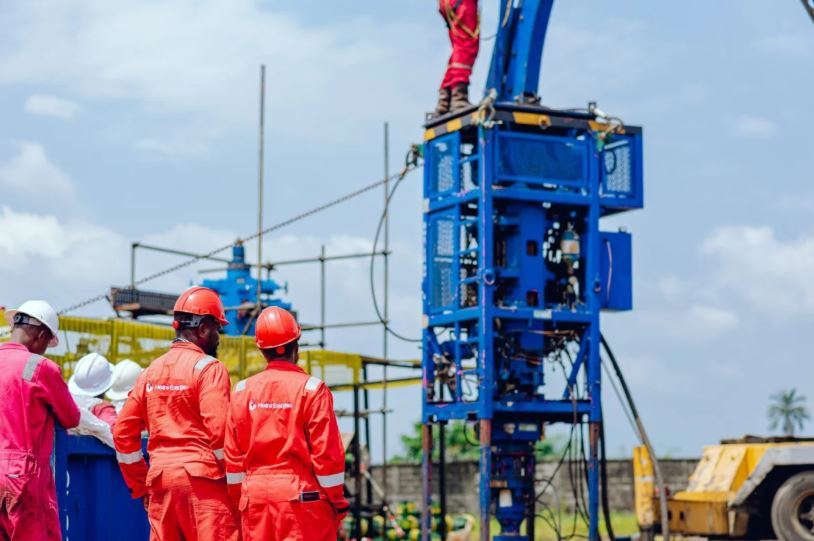
On the ground, ingenuity further drove success. Rather than relying on costly interventions, Heirs Energies scaled up gas production using innovative local solutions such as low-cost, rigless through-tubing. In November 2024, the Agbada-68T well was restored using this approach, followed by Agbada-67T in August 2025. Together, they added 65 MMscf/d of gas capacity.

“OML 17 was a classic brownfield value opportunity,” Igiehon reflects. “It was a quality asset underperforming due to underinvestment and security challenges. We believed that we could unlock its full potential with local know-how, our Africapitalism philosophy, and our commitment to brownfield excellence.”

Looking ahead, if this model succeeds in the long term, Heirs Energies may well set a precedent for indigenous operators across Africa: ownership of skills and suppliers, investment in domestic gas, and nimble technical interventions to revive underperforming assets.

For Nigeria — and for Africa more broadly — it is a powerful example of what can be achieved when local solutions are implemented by local hands, delivering prosperity for communities while securing the continent’s energy future.

Source: Africa.com

Africa’s energy future: Why optimism is warranted

BAC Visit
By Osa Igiehon
October 6, 2025

As Africa Energy Week wraps up in Cape Town, we are faced with a pressing question: Can we genuinely fulfill the promise of eradicating energy poverty by 2030?

The answer hinges not on foreign investment or external solutions, but rather on a crucial factor—African responsibility for our own challenges.

Currently, around 600 million Africans live without electricity. In Nigeria alone, over 85 million individuals lack reliable access to power, despite the continent’s vast natural gas reserves that could potentially electrify the region.

This paradox of resource abundance juxtaposed with energy scarcity highlights a significant crisis of purpose and execution within our energy sector.

The real issue is not whether Africa can bridge this debilitating energy gap; it is whether we, as Africans, are prepared to take ownership of the problem and act with determination to find solutions.


BAC Visit

Breaking free from dependency

For far too long, Africa’s energy narrative has been dictated by external forces. Policies have been crafted by consultants, timelines set by financiers, and agendas shaped by global institutions.

This dependency has fostered a culture of blame, where external factors such as sanctions, market fluctuations, and investor hesitance are cited as reasons for our failures.

However, these excuses do not account for the fact that proven reserves remain untapped, gas continues to flare while millions remain in darkness, and oil production has seen a decline over the past two decades.

The uncomfortable truth is that Africans must develop and implement solutions that are grounded in our local realities.

No one understands our complexities better than we do, nor do they care more about our development. The moment we take full ownership of our challenges is the moment we can begin to make real progress.

Defining Accountability in Energy Management

Accountability is not merely a buzzword; it is a measurable standard. Take Nigeria’s OML 17, for example—one of the country’s most intricate onshore assets.

Under new management, production doubled within just 100 days, achieving a remarkable 99.8% reconciliation factor in a region historically plagued by losses.

Every drop of oil reached the terminal, and every molecule of gas contributed to Nigeria’s domestic market, powering homes and industries alike.

The success of OML 17 serves as a replicable model for other countries like Congo, Angola, and Gabon, which face similar challenges with aging infrastructure and declining production.

The methodology is proven, the approach scalable, and the results demonstrate that African-led operations can achieve world-class performance when accountability is prioritized.

These achievements did not arise from foreign expertise or massive capital influxes. They emerged from rejecting the notion that theft and inefficiency are inherent to African operations.

When Africans apply their skills with purpose, create transparent systems, engage communities as partners, and hold themselves to high standards, transformation is not just possible—it is inevitable.

The Ambitious Goal of 2030

Can Africa truly eliminate energy poverty by 2030? While the timeline is undeniably ambitious, the focus should not solely be on the date itself but rather on establishing the systems and local ownership necessary to make progress a reality.

To meet the energy needs of the continent, Africa requires approximately $2 trillion in infrastructure investment by 2030.

Current investment levels fall significantly short of this target, and global capital increasingly favors markets with proven governance.

To attract the necessary investment, we must demonstrate that African operations can yield returns, safeguard assets, and benefit local communities.

Optimism should not stem from wishful thinking but from tangible evidence that Africans can seize control of their destiny. Each successful operation and community partnership serves as proof that the narrative of needing external management is outdated.

Africa’s energy future

Africa’s energy future must transition from a history characterised by extraction to one focused on sustainable development.


Medical Outreach

This shift requires measurable commitments: building local workforces, investing in training, developing indigenous expertise, engaging communities as partners, adhering to global standards, and investing local capital alongside foreign investments.

Energy poverty will not dissipate simply because 2030 arrives; it will end when Africans collectively decide that living in darkness is unacceptable and take decisive action to change it. The resources, technology, and talent are already present.

What remains is the courage to fully embrace the challenge and propel the continent toward energy sufficiency.

As we move forward, it is imperative that we harness our collective potential and take ownership of our energy future.

The author, Osa Igiehon is a transformational energy business executive, thought leader and innovator. He is the CEO of Heirs Energies, an African energy company. These views are his own and do not necessarily reflect those of his organisation.

Source: Trtafrika

Heirs Energies Champions Indigenous Leadership and Africapitalism at African Energy Week 2025

Field Worker

Lagos, Nigeria – 24 September 2025 – Heirs Energies, Africa’s leading indigenous-owned integrated energy company, is set to make a strong impact at Africa Energy Week (AEW) 2025, taking place from 29 September – 2 October 2025 in Cape Town, South Africa.

Represented by CEO Osa Igiehon and Executive Director/CFO Sam Nwanze, Heirs Energies will join global policymakers, investors, and industry leaders to shape critical conversations around Africa’s energy future.

CEO Osa Igiehon to Spotlight Indigenous Excellence

Osa will feature in two high-level sessions:

Brownfield Developments: Key to Stabilising African Production and Energy Resilience (30 September, 2025): exploring how African independents can transform mature assets into engines of growth, drawing from Heirs Energies’ turnaround of OML 17 into a benchmark for African-led operational excellence.
Invest in the Republic of Congo Roundtable (1 October, 2025): sharing insights from Nigeria’s experience to help frontier regions accelerate development through brownfield excellence, community engagement, and investor confidence.

At Heirs Energies, we don’t just believe Africa’s mature and frontier assets hold promise, we have proven it. The OML 17 turnaround shows that with the right governance, innovation, and local execution, indigenous operators can unlock value where others saw decline. We’ve turned challenges into engines of growth, and that is the model we want to see replicated across Africa,” said Igiehon.

CFO Sam Nwanze to Address Asset Divestments and Financing

On 1 October, Sam will join the Navigating Asset Divestments in Africa’s Upstream Sector panel, discussing strategies for financing African independents and de-risking mature assets. He will spotlight Heirs Energies’ distinctive Africapitalism approach – combining financial discipline with purpose-driven impact.

“The divestment wave creates opportunities for African players to lead, but credibility is key. Success depends on structuring investable projects, building trust with partners, and embedding impact into every deal,” Nwanze noted.

Heirs Energies’ participation at AEW underscores the Africapitalism philosophy of Heirs Holdings Group Chairman Tony O. Elumelu, CFR, which positions the private sector at the heart of Africa’s transformation by creating both economic prosperity and social wealth.

From doubling production at OML 17 within 100 days, to ensuring every molecule of gas produced powers Nigerian homes and industries, Heirs Energies has shown what’s possible when African companies take the lead.

Our story is one of resilience, innovation, and purpose proving that indigenous operators can match and exceed global standards while creating lasting impact in our communities. As we look ahead, we remain committed to shaping Africa’s energy future with excellence, responsibility, and shared prosperity.

Heirs Energies Limited is Africa’s leading indigenous-owned integrated energy company, committed to meeting Africa’s unique energy needs while aligning with global sustainability goals. With a strong focus on innovation, environmental responsibility, and community development, Heirs Energies leads in the evolving energy landscape and contributes to a more prosperous Africa.

Heirs Energies and World Literacy Foundation Join Forces to Transform Literacy in Rivers State, Nigeria

Sun Books Literacy

Port Harcourt, Nigeria – 8 September 2025In commemoration of International Literacy Day 2025, Heirs Energies Ltd., Africa’s leading indigenous integrated energy company, and the World Literacy Foundation (WLF), a global non-profit dedicated to eradicating illiteracy, today announced the launch of the Sun Books Literacy Initiative in Rivers State, Nigeria.

The initiative will directly benefit more than 500 pupils at Central State Primary School, Omuohia-Igwuruta, and Umuebulu Primary School, Umuebulu, both located within Heirs Energies’ OML 17 host communities. Pupils will receive solar-powered Sun Books tablets, preloaded with culturally relevant, curriculum-aligned literacy content and interactive learning modules. Solar panels will also be installed in the schools to ensure uninterrupted power for the devices and classrooms, creating sustainable access to education in resource-limited environments.

Globally, more than 770 million people still lack basic literacy skills, with millions of African children facing barriers to education daily. In Nigeria, UNESCO estimates that one in three children cannot read or write at the expected level by age 10, with rural areas and girls most severely affected.

The Sun Books programme is designed to address these structural gaps by providing offline-first digital learning tools that work in low-infrastructure settings. Teachers in participating schools will also receive hands-on training to integrate digital literacy into classroom instruction, ensuring continuity of learning and stronger long-term outcomes.

Originally piloted in Uganda, Sun Books has already reached over 17,000 children, trained more than 280 teachers, and supported over 48,000 families across Nigeria, Kenya, Uganda, and South Africa.

Osa Igiehon, CEO of Heirs Energies, reaffirmed the company’s long-term vision for community empowerment:

As an integrated energy company, we know that renewable and sustainable energy must serve a greater purpose — building stronger, more resilient communities. Our investment in literacy is an investment in the next generation of leaders, innovators, and problem-solvers. This initiative reflects our Africapitalism philosophy – creating social good while delivering economic value. With Sun Books, we are empowering children to dream beyond their circumstances and equipping teachers with tools to make learning engaging and inclusive.”

Mr. Andrew Kay, CEO of the World Literacy Foundation, underscored the global significance of the collaboration:

“This partnership with Heirs Energies demonstrates the power of cross-sector collaboration. By combining renewable energy and digital learning, we are providing children with the opportunity to learn, grow, and succeed – regardless of geography or circumstance. Together, we are closing the literacy gap in underserved communities and preparing the next generation for the digital economy.”

Adding the community perspective, His Royal Majesty, Dr. Samuel Amaechi, Chairman of the Board of Trustees, OML 17 Host Communities Development Trust (HCDT) Board of Trustees, said:

“This initiative shows what is possible when companies listen to their host communities and act in partnership. Education is the greatest legacy we can give our children. With the Sun Books programme, our schools now have the tools to prepare them for the future. We thank Heirs Energies and the World Literacy Foundation for investing in our children and in the long-term prosperity of our communities.”

The Sun Books Literacy Initiative serves as the launchpad for Heirs Energies’ Power Schools Initiative, which aims to deploy clean energy and digital infrastructure across schools in its host communities.

This milestone also aligns with the UN Sustainable Development Goals (SDG 4: Quality Education and SDG 7: Affordable and Clean Energy), reinforcing both organisations’ shared commitment to building inclusive, sustainable, and knowledge-driven societies.

About Heirs Energies

Heirs Energies Limited is Africa’s leading indigenous-owned integrated energy company, committed to meeting Africa’s unique energy needs while aligning with global sustainability goals.  Having a strong focus on innovation, environmental responsibility, and community development, Heirs Energies leads in the evolving energy landscape and contribute to a more prosperous Africa.

About World Literacy Foundation and Sun Books

Sun Books is a pioneering EdTech initiative by the World Literacy Foundation (WLF), providing solar-powered tablets preloaded with culturally relevant, curriculum-aligned literacy content, offline-first interactive learning apps, and comprehensive teacher guides. Designed to address literacy gaps in off-grid and underserved communities, Sun Books supports children aged 4–12 in developing strong reading and learning skills, even in resource-limited settings.

World Literacy Foundation (WLF) is a global non-profit dedicated to eradicating illiteracy worldwide. Established in 2003 in Australia, WLF now operates across Africa, Latin America, the United States, and the United Kingdom, impacting over 115 million children and their families. By combining technology, community engagement, teacher development, and advocacy, the foundation works to close the literacy gap and empower communities with the knowledge and skills needed to thrive.

Heirs Energies: An African Champion

TOE and Osa

We hear a lot about African champions, African role models, African innovation and excellence. How we should demonstrate Africa’s potential. The potential we know exists.

When we founded Heirs Energies, our vision was bold, yet simple: an African integrated energy business, grounded in excellence, execution, and enterprise, that could redefine what is possible in our oil and gas industry.

Heirs Energies is delivering. From the acquisition of OML 17 in 2021, we moved with urgency and discipline. ln 100 days, we doubled production safely and responsibly; demonstrating African companies have the expertise and resilience to deliver at global standards.

Four years on, production has reached 55,000 barrels of oil per day, with a clear path higher.

African expertise and vision came together to unlock significant value from what was considered a mature asset. Through strategic investment in technology, people, and processes, we have shown that aging infrastructure can be revitalised, while upholding world-class operational standards. We call this “Brownfield Excellence”, our core competence.

We have industry-leading safety records; zero fatalities, zero serious injuries, and no Loss Time lnjury (LTl), while operating at scale in the Niger Delta.

Beyond safety, our commitment runs deep: we invest in our host communities, empower local talent, and nurture the next generation of African energy leaders.

What we have achieved in such a short time is remarkable.

But the real story lies ahead.

With the dedication of our people under the leadership of Osa lgiehon, Heirs Energies is delivering value, while meeting Africa’s unique energy needs and building an African champion.

#TOEWay

Heirs Energies Strengthens Africa’s Energy Voice at Major International Forums

Osa at USAEF

Lagos, Nigeria – 18th August 2025 – Heirs Energies, Africa’s leading indigenous-owned integrated energy company, continued to amplify its commitment to energy sufficiency for Africa with a strong presence at two landmark events: the U.S.–Africa Energy Forum and the Namibia International Oil & Gas Conference 2025.

At both forums, Heirs Energies showcased its strategy of responsibly harnessing Africa’s vast natural resources to deliver energy security, drive industrialization, and create long-term shared prosperity.

At the USAEF in Houston, Texas, Osa Igiehon, CEO of Heirs Energies, joined global energy leaders and policymakers in high-level sessions examining the future of energy partnerships between the U.S. and Africa.

Speaking on Heirs Energies’ vision, Osa Igiehon emphasized that:
“Africa must define its energy future by leveraging both its abundant hydrocarbons and renewable resources. At Heirs Energies, we are committed to making energy sufficiency a reality for millions, while ensuring that sustainability, innovation, and local capacity building remain at the heart of our growth story.”

The forum provided a platform to strengthen dialogue with U.S. investors, technology providers, and government agencies on financing and innovation to accelerate Africa’s energy independence.

Following USAEF, Heirs Energies extended its strategic engagement to Namibia, one of Africa’s most exciting frontier markets for oil and gas. Osa participated in a high-profile panel session alongside international and regional operators, sharing perspectives on building responsible and inclusive energy industries across Africa.

On Namibia’s future, he noted: “This visit marks the beginning of a long-term engagement, with many more interactions to come as we explore opportunities to contribute meaningfully to Namibia’s energy story.”

Heirs Energies’ presence underscored its role not just as a Nigerian operator, but as a pan-African energy company committed to delivering energy solutions that balance commercial viability with societal impact.

Both engagements reflected Heirs Energies’ anchoring philosophy of Africapitalism, championed by its Founder and Group Chairman, Tony O. Elumelu, CFR. This philosophy asserts that the private sector must drive Africa’s development by investing in strategic sectors that create both economic prosperity and social wealth

Heirs Energies Limited is Africa’s leading indigenous-owned integrated energy company, committed to meeting Africa’s unique energy needs while aligning with global sustainability goals.   Having a strong focus on innovation, environmental responsibility, and community development, Heirs Energies leads in the evolving energy landscape and contribute to a more prosperous Africa.

Heirs Energies CEO to Advocate for Africa’s Energy Sufficiency At The 2024 U.S.-Africa Energy Forum

Osa Igiehon

Lagos, Nigeria – 4th August 2025Heirs Energies, Africa’s largest indigenous-owned integrated energy company, has announced that its Chief Executive Officer, Osa Igiehon, will represent the company at the 2025 U.S.-Africa Energy Forum (USAEF), taking place on August 6–7, 2025 at the Post Oak Hotel in Houston, Texas.

The Forum will bring together U.S. and African policymakers, financiers, and private sector leaders to discuss investment, innovation, and partnerships shaping Africa’s evolving energy landscape. Osa will deliver an Executive Insight and participate in the Explorers Town Hall session, sharing Heirs Energies’ perspective on how Africa can unlock its full energy potential responsibly and sustainably.

Heirs Energies’ participation will spotlight its bold agenda: driving Africa’s transition from energy deficiency to energy sufficiency. With operations spanning across the Oil and Gas value chain, the company is investing in infrastructure and innovation to deliver reliable energy for homes, industries, and communities.

“At Heirs Energies, we believe Africa’s exploration future will be written in two stories: frontier plays waiting to be unlocked, and brownfield excellence – the careful stewardship of fields that have been producing for decades,” said Osa Igiehon, CEO of Heirs Energies. “Our focus is to show that African-owned companies can responsibly manage these assets, apply world-class standards, and deliver shared prosperity.”

Underpinning this approach is the Africapitalism philosophy of Heirs Holdings, Heirs Energies’ parent company – the belief that the private sector must lead Africa’s development by investing for both economic and social returns. At the Forum, Heirs Energies will demonstrate how this principle translates into tangible action: responsible brownfield management, gas monetization, and partnerships that empower local capacity while attracting global collaboration.

The company is also advancing gas commercialisation efforts, supplying gas to three power plants in Eastern Nigeria, while steadily building the infrastructure to further support Nigeria’s electrification drive.

“Every molecule must count – not just for production, but for powering homes, fueling industry, and setting a benchmark for what indigenous operators can achieve,” Igiehon added.

The U.S.-Africa Energy Forum will focus on creating an enabling environment for investment across hydrocarbons, gas, and renewables. Heirs Energies’ participation signals its commitment to partnerships that can deliver energy security for Africa while aligning with global sustainability goals

Heirs Energies Limited is Africa’s leading indigenous-owned integrated energy company, committed to meeting Africa’s unique energy needs while aligning with global sustainability goals.   Having a strong focus on innovation, environmental responsibility, and community development, Heirs Energies leads in the evolving energy landscape and contribute to a more prosperous Africa.


Heirs Energies CEO to Advocate for Africa’s Energy Sufficiency At The 2024 U.S.-Africa Energy Forum

Osa Igiehon

Lagos, Nigeria – 4th August 2025Heirs Energies, Africa’s largest indigenous-owned integrated energy company, has announced that its Chief Executive Officer, Osa Igiehon, will represent the company at the 2025 U.S.-Africa Energy Forum (USAEF), taking place on August 6–7, 2025 at the Post Oak Hotel in Houston, Texas.

The Forum will bring together U.S. and African policymakers, financiers, and private sector leaders to discuss investment, innovation, and partnerships shaping Africa’s evolving energy landscape. Osa will deliver an Executive Insight and participate in the Explorers Town Hall session, sharing Heirs Energies’ perspective on how Africa can unlock its full energy potential responsibly and sustainably.

Heirs Energies’ participation will spotlight its bold agenda: driving Africa’s transition from energy deficiency to energy sufficiency. With operations spanning across the Oil and Gas value chain, the company is investing in infrastructure and innovation to deliver reliable energy for homes, industries, and communities.

“At Heirs Energies, we believe Africa’s exploration future will be written in two stories: frontier plays waiting to be unlocked, and brownfield excellence – the careful stewardship of fields that have been producing for decades,” said Osa Igiehon, CEO of Heirs Energies. “Our focus is to show that African-owned companies can responsibly manage these assets, apply world-class standards, and deliver shared prosperity.”

Underpinning this approach is the Africapitalism philosophy of Heirs Holdings, Heirs Energies’ parent company – the belief that the private sector must lead Africa’s development by investing for both economic and social returns. At the Forum, Heirs Energies will demonstrate how this principle translates into tangible action: responsible brownfield management, gas monetization, and partnerships that empower local capacity while attracting global collaboration.

The company is also advancing gas commercialisation efforts, supplying gas to three power plants in Eastern Nigeria, while steadily building the infrastructure to further support Nigeria’s electrification drive.

“Every molecule must count – not just for production, but for powering homes, fueling industry, and setting a benchmark for what indigenous operators can achieve,” Igiehon added.

The U.S.-Africa Energy Forum will focus on creating an enabling environment for investment across hydrocarbons, gas, and renewables. Heirs Energies’ participation signals its commitment to partnerships that can deliver energy security for Africa while aligning with global sustainability goals

Heirs Energies Limited is Africa’s leading indigenous-owned integrated energy company, committed to meeting Africa’s unique energy needs while aligning with global sustainability goals.   Having a strong focus on innovation, environmental responsibility, and community development, Heirs Energies leads in the evolving energy landscape and contribute to a more prosperous Africa.


Heirs Energies Convenes Industry Titans to Drive Nigeria’s Oil Production Growth

Abuja, Nigeria | February 2025Heirs Energies, Africa’s foremost indigenous energy champion, will host the 2025 Heirs Energies Leadership Forum: Industry Leaders Discourse (ILD) on Thursday, 20 February 2025, at the Transcorp Hilton, Abuja. This high-level convening unites government decision-makers, global energy CEOs, and sector pioneers to forge actionable strategies for accelerating Nigeria’s oil production growth.

The forum, themed “Nigeria’s Oil Production Growth Roadmap – Acceleration Imperatives,” will feature distinguished speakers including Sen. Heineken Lokpobiri, Minister of State for Petroleum Resources (Oil); Engr. Gbenga Komolafe, Chief Commission Executive, NUPRC; Adewale Adeyemo-Bero, Chairman, OPEC Board of Governors and CEO of First E&P; and Roger Brown, CEO of Seplat Energy Plc. The session will be moderated by Osayande Igiehon, CEO of Heirs Energies.

With Nigeria targeting oil production of 2.1 million barrels per day (bpd) by 2025 and 2.7 million bpd by 2027, the discussion will address critical industry challenges while exploring opportunities for innovation and local industry leadership. The increasing role of Nigerian Independent Companies (NICs) in the sector will be a focal point, particularly as asset ownership transitions from International Oil Companies (IOCs) to local operators.

“Nigeria’s energy future cannot wait,” says Osayande Igiehon, CEO of Heirs Energies. “Through bold collaboration, we can transform challenges into opportunities – ramping up production, attracting investment, and powering sustainable development.” He added.

The forum will begin with a cocktail reception at 5:30 PM, followed by the panel discussion at 6:00 PM, and conclude with an exclusive networking dinner. The event will be livestreamed by Arise News and TVC to ensure broad access to these important discussions.

Heirs Energies continues to champion operational excellence, innovation, and local capacity development in Africa’s energy sector, driving energy sufficiency and economic transformation across the continent.

Heirs Energies Limited is Africa’s leading indigenous-owned integrated energy company, committed to meeting Africa’s unique energy needs while aligning with global sustainability goals.  Having a strong focus on innovation, environmental responsibility, and community development, Heirs Energies leads in the evolving energy landscape and contribute to a more prosperous Africa.