Category

News

Can code save onshore oil? Inside Heirs Energies’ $1.1 billion operational experiment

At its worst point, for every 100 barrels of oil Heirs Energies pumped into the pipeline, only 3 arrived at the export terminal. The rest vanished into Nigeria’s $3.3 billion crude theft black hole. To rescue the $1.1 billion asset, the indigenous producer built the Integrated Operations Management Centre (IOMC), a digital control layer tracking pressure drops, wellhead breaches, and flow rates in real time. But in an industry governed by physical pipelines and security risks, how far can digital technology actually take you? In this feature, FRANK ELEANYA breaks down the tech, the economics, and the hard operational realities of turning around OML 17.

When Heirs Energies took over operatorship of Oil Mining Lease (OML) 17 in 2021, it inherited a large but distressed asset in the eastern Niger Delta. The operation had ageing infrastructure, a sprawling pipeline network, persistent crude theft, and facilities increasingly surrounded by urban communities.

The company did not acquire OML 17 outright. Through TNOG Oil and Gas Limited, a Heirs Holdings and Transcorp-related vehicle, it bought the 45% stake previously held by Shell, TotalEnergies and Eni in the former SPDC joint venture for about $1.1 billion.

The Nigerian National Petroleum Company retains the remaining 55%, making OML 17 an NNPC/Heirs Energies joint venture operated by Heirs.

The transaction became an early test of whether Nigerian operators could revive onshore assets divested by international oil companies.

Five years later, Heirs Energies presents OML 17 as evidence that a troubled asset can be stabilised through a combination of capital, field management, security, gas development and digital monitoring.

But the recovery also shows the limits of technology in an oil industry where pipelines, payment systems and field investment still determine whether production can reach the market.

From theft to visibility
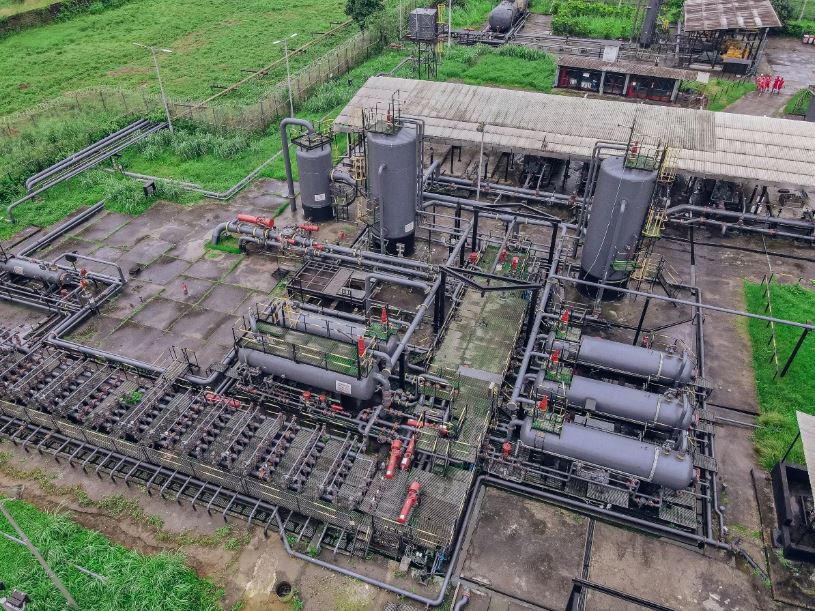
OML 17 covers more than 1,200 square kilometres, includes 15 oil and gas fields, six flow stations and an extensive network of wells, pipelines and gas-processing infrastructure. Its scale made it valuable, but it also made the asset difficult to secure and operate.

According to Heirs Energies, wellhead components had been stolen, facilities attacked, and crude siphoned from evacuation infrastructure.

The crisis peaked in late 2021 and early 2022, when the company said only about 3% of the crude it injected into the evacuation pipeline reached the Bonny Terminal.

That figure does not mean the field was producing only 3% of its normal output. It refers to the difference between the amount of crude measured as entering the pipeline system and the amount that eventually reached the terminal and was accounted for.

In practical terms, the company says that for every 100 barrels injected into the pipeline at that low point, only about three barrels arrived at Bonny Island in Rivers State. The missing volumes were attributed to crude theft.

The episode illustrates a reality of onshore Nigerian oil operations: production capacity means little when a producer cannot move crude to an export terminal.

Ayodele Oni, partner and chair of Bloomfield Law Practice’s energy and natural-resources group, said OML 17’s recent history shows that the key risk was not necessarily the reservoir.

“When production dropped in 2022 and 2023, the reservoir wasn’t the problem,” Oni said. “Getting the oil out was. Theft and disruption on the Trans-Niger Pipeline hit output hard. An onshore asset is only as good as its route to market.”

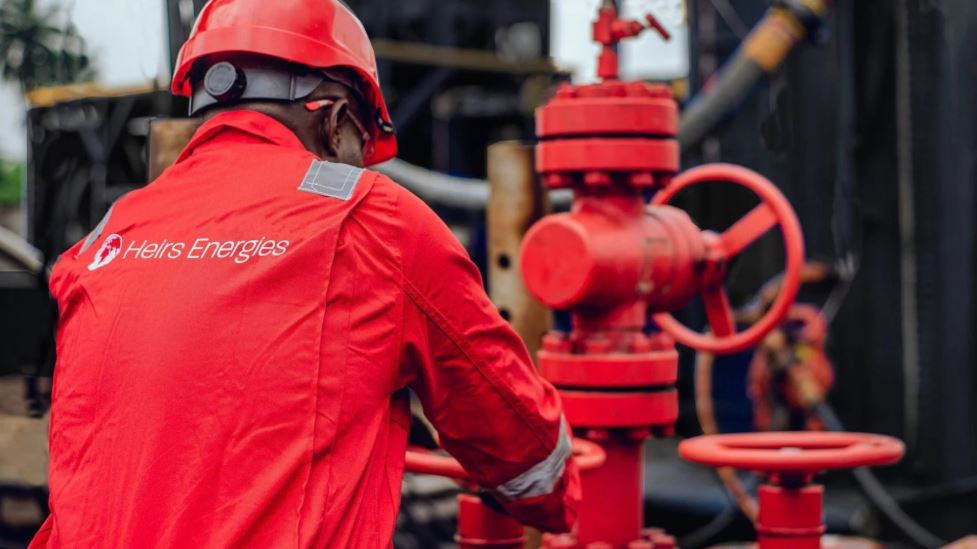
Heirs Energies’ response included an Integrated Operations Management Centre (IOMC), which consolidates operational data from wellheads, flow stations, gas plants and pipelines.

Instead of relying wholly on periodic field visits, engineers can monitor production volumes, pressure, flow rates, temperatures, vessel levels and other indicators remotely.

The system does not replace field teams. It reduces the time between an abnormal event and a decision to investigate or intervene.

“Technology is an enabler,” Fidelis Akpoghiran, Heirs Energies’ senior vice-president for business transformation and improvements, said. “It is not technology alone that solved the problem, but technology has enabled every critical decision we have taken.”

Data arrives at the monitoring centre in real time, on a second-by-second or minute-by-minute basis depending on the equipment and parameter being tracked, Akpoghiran said.

The company describes the IOMC as an integration layer: sensors generate information, communications systems transmit it, operators interpret it, and physical teams act on it.

That distinction is important in a high-risk operating environment. A dashboard cannot repair a damaged valve, stop a vandal or restart a compressor. Its value lies in shortening the time before the right team is dispatched.

Technology has limits
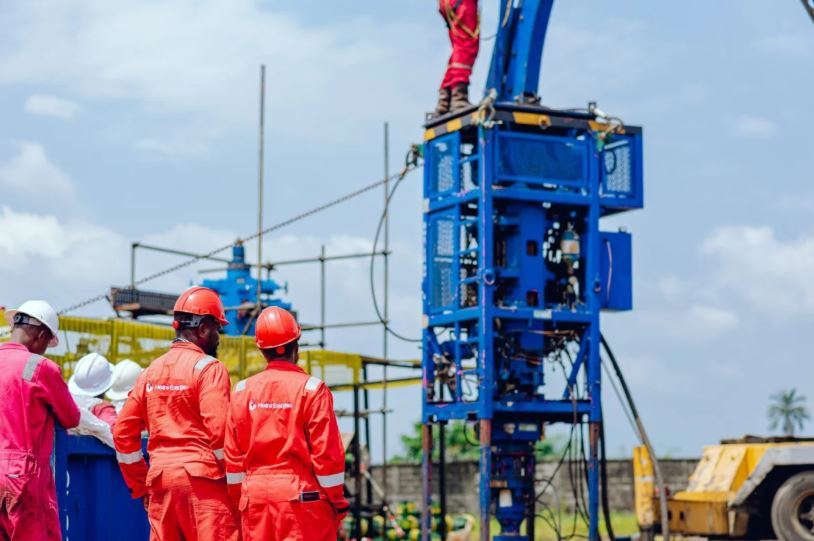
At producing wellheads, Heirs Energies has installed intruder-detection systems combining touch-sensitive fencing, surveillance cameras and monitoring tools. The systems are meant to identify unauthorised approaches before equipment is damaged or removed.

An intrusion, the company said, includes an unauthorised attempt to access or interfere with a protected wellhead or facility, including an attack intended to damage equipment or steal components. It does not mean every automated notification is a confirmed breach.

Akpoghiran said the company recorded about 50 attempted or confirmed intrusion incidents between the start of operatorship in July 2021 and December 2024, including cases in which equipment was stolen.

After most producing wells were covered by the detection system, the company says it recorded no such incidents from January 2025, based on security reports, surveillance records and system event logs.

The result cannot be attributed to sensors alone. Detection systems create deterrence and provide early warning, but the outcome depends on the response chain that follows.

Heirs says security personnel can be mobilised in roughly 10 minutes after an alert, showing that the technology is only as effective as the people and processes behind it.

The same applies to production reliability. Akpoghiran said the integrated digital technology layer—rather than the IOMC in isolation—has helped avoid an estimated 5% of daily deferred production.

The estimate refers to a relative reduction in production that would otherwise be lost to theft, equipment failure or operational interruptions; it is not a five-percentage-point decline in an annual deferment rate.

If a constraint would otherwise defer 500 barrels in a day, for example, a 5% reduction would mean avoiding about 25 barrels of lost output. The company says the estimate reflects earlier detection and faster intervention, not a controlled study that isolates technology from security, maintenance and other operational decisions.

“It is more expensive not to do anything,” Akpoghiran said.

The digital systems are therefore best understood as a way to protect the value of high-producing assets.

Heirs says it prioritises technology investment based on the production and commercial importance of wells and facilities, rather than applying the same level of monitoring to every asset.

This approach has coincided with a significant production recovery. Heirs Energies says oil output has risen from roughly 25,000 barrels per day at acquisition to more than 50,000 barrels per day, while gas production has increased from around 50 million standard cubic feet per day to at least 120 million standard cubic feet per day.

Oni said the gas growth may be the more consequential result. Unlike crude, the gas is supplied into Nigeria’s domestic market, including power-generation customers such as the 188MW Geometric Power Plant in Aba, Abia State.

He argued that the company’s use of well rework rather than immediately drilling expensive new wells demonstrates how indigenous operators can raise output from existing assets.

“Get more out of what’s already in the ground and already built before spending big on new wells,” Oni said.

But sustaining the recovery will require more than digital visibility. Oni identified three risks: protecting evacuation routes, collecting payment for gas supplied to power plants, and continuing to invest in field development.

The first remains security. Pipeline disruption can quickly negate gains made at the wellhead or flow station.

The second is the electricity market’s payment challenge. Selling gas to power plants increases domestic energy supply, but upstream producers need confidence that invoices will be paid.

The third is drilling: reworking existing wells can restore output, but it may not deliver Heirs’ longer-term ambition of 100,000 barrels per day or return the field to its historical peak.

By December 22, 2025, the company secured a $750 million financing package from Afreximbank to support its capital structure and field-development plans, a sign that lenders see greater value in the asset than at takeover.

Its flare-gas project, which aims to capture gas currently burnt off, could offer a further test of whether an indigenous operator can combine commercial returns with lower emissions. Heirs and NNPC have said the project could capture about 180 million standard cubic feet of flare gas per day, with commissioning targeted for the third quarter of 2026.

Heirs Energies is also building toward AI-assisted operations. Akpoghiran said the company has spent years developing a real-time data historian across wells, flow stations, and gas facilities before attempting more advanced analytics.

“You don’t do analytics in the absence of data,” he said.

The sequence is logical: first generate reliable operational data, then make it visible, then use it to identify patterns and prioritise action.

But the case of OML 17 suggests that the most important technology may not be AI. It may be the less glamorous ability to know, quickly and accurately, when a wellhead is under threat, a flow station is failing, or a pipeline has become the weak link in the value chain.

Source: TechCabal
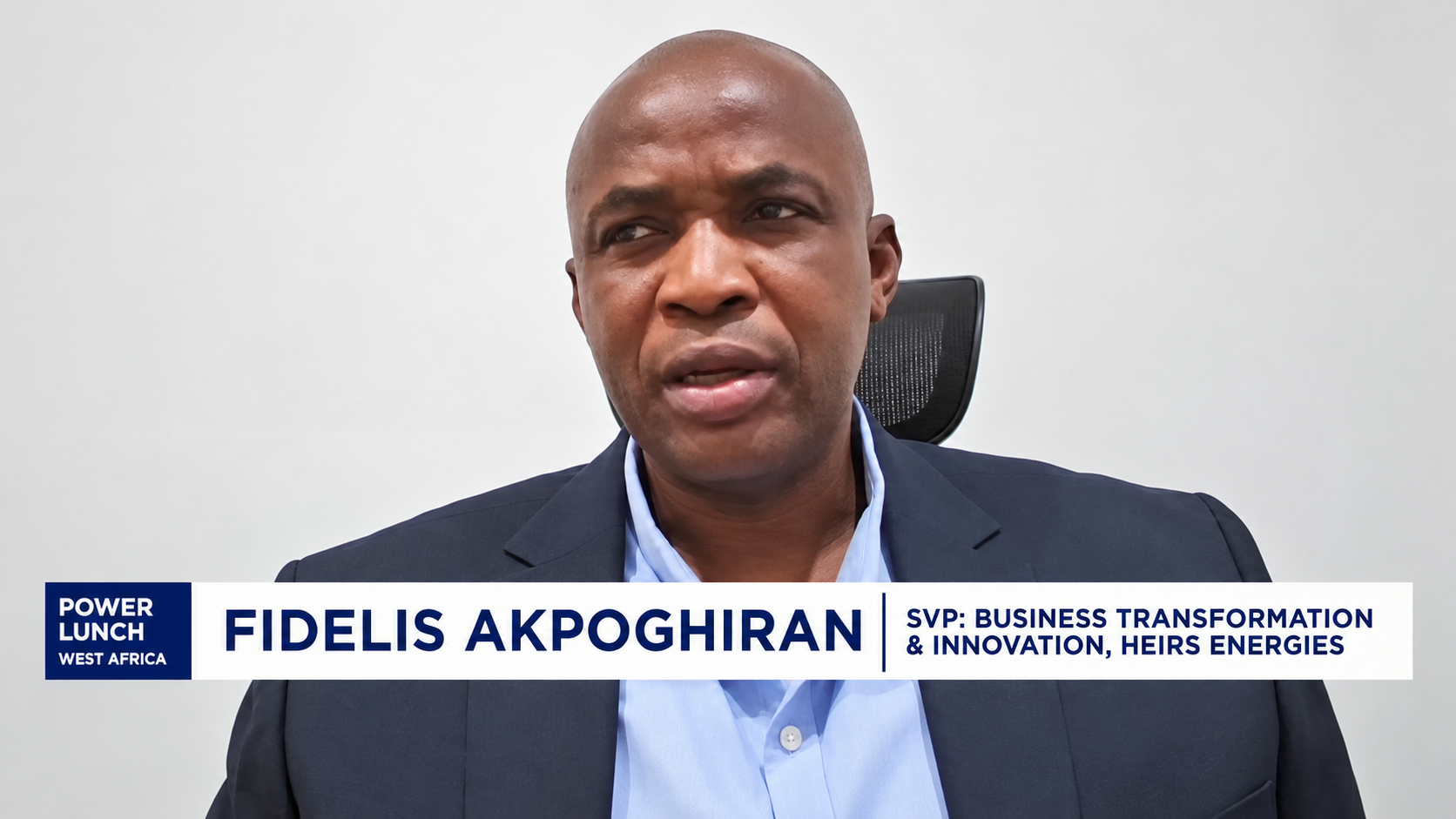
Heirs Energies on CNBC Africa | Technology and Nigeria’s Crude Production

Nigeria’s production ambitions place a clear focus on how technology can help operators deliver sustained growth.

On CNBC Africa, Fidelis Akpoghiran, Senior Vice President, Business Transformation & Innovation at Heirs Energies, discussed technology’s role in Nigeria’s crude production gains, highlighting our Integrated Operations Management Centre (IOMC).

The interview brings Heirs Energies’ experience into a nationally significant conversation: how digital innovation can strengthen upstream operations and support Nigeria’s production targets.

We invite you to watch the interview – HERE

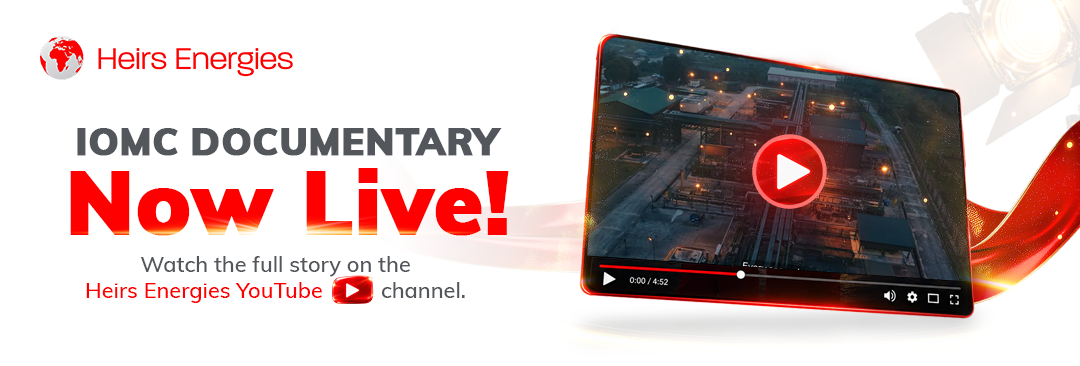
Heirs Energies Integrated Operations Management Centre (IOMC) Documentary is LIVE!

The transformation of a complex brownfield asset requires more than technology. It requires the ability to see clearly, decide quickly and act as one team.

At Heirs Energies, our Integrated Operations Management Centre (IOMC) brings together people, processes and real-time operational data in one connected environment. It gives our teams an integrated view of OML 17, enabling faster decision-making, stronger collaboration, proactive risk management and safer, more efficient operations.

Our new documentary takes you inside the IOMC and shows how this capability is supporting the transformation of OML 17 – turning data into insight, insight into action and action into measurable performance.

We invite you to watch and share the documentary as we continue to demonstrate what African enterprise, expertise and innovation can achieve.

Heirs Energies at Gastech Exhibition & Conference 2026

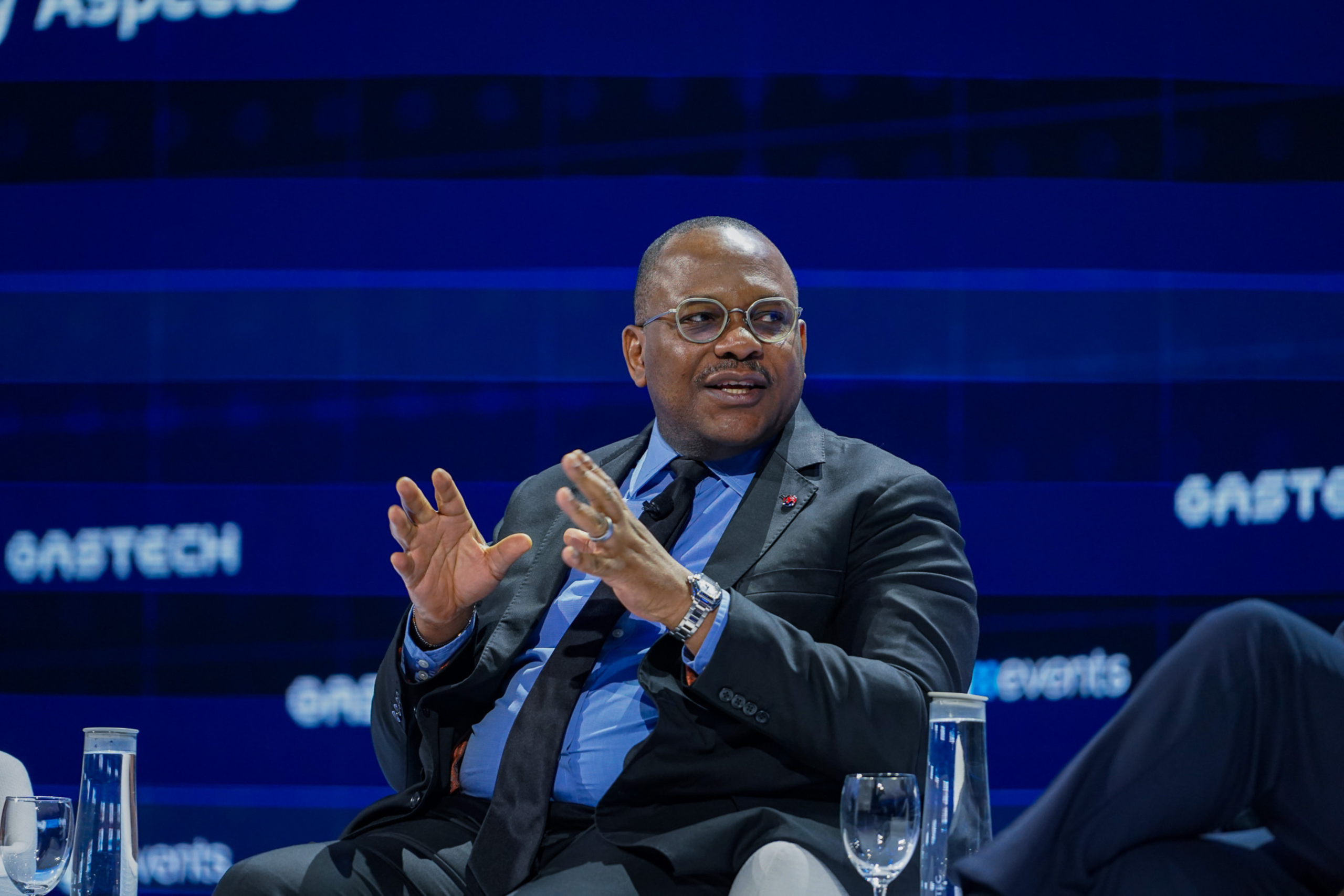
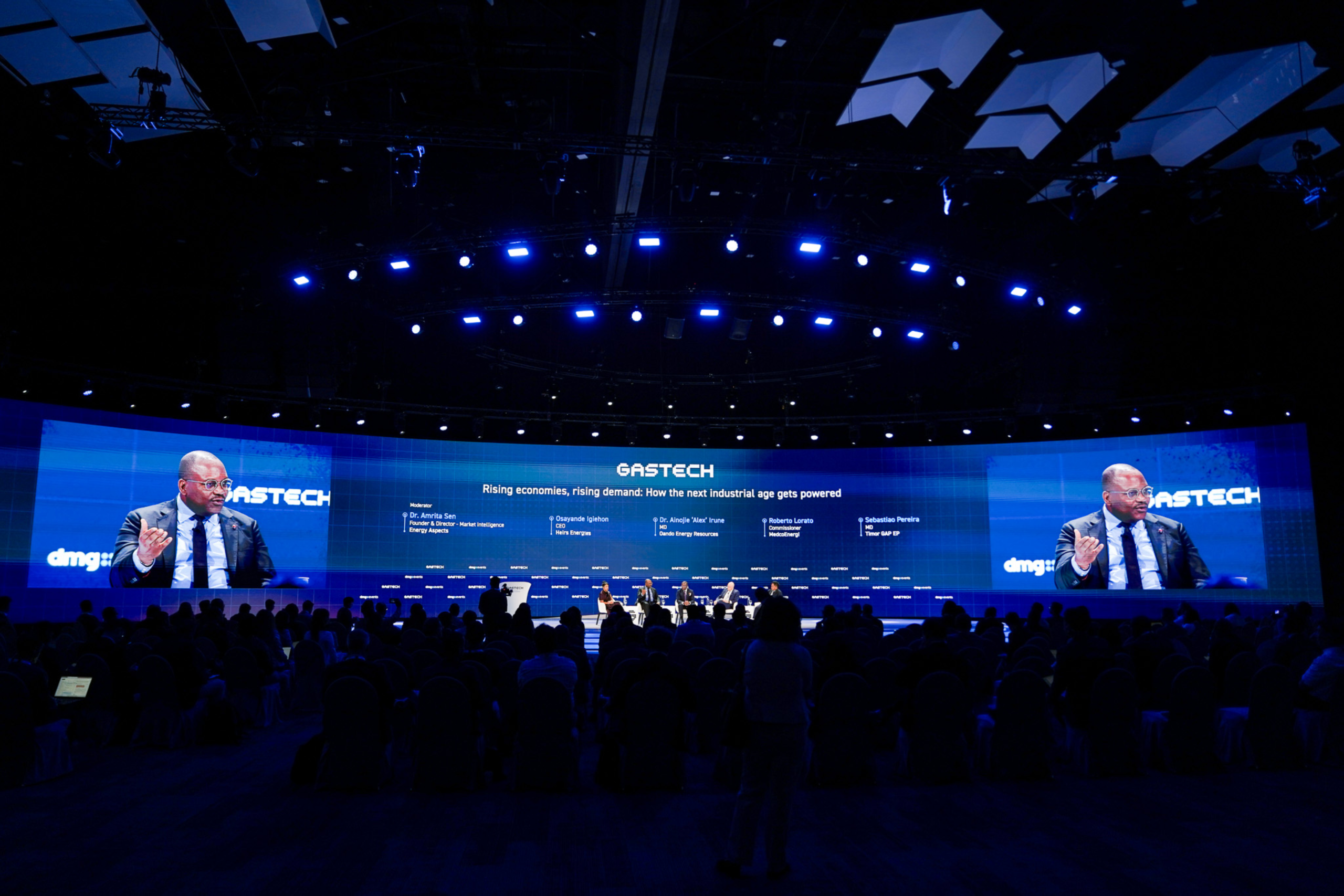
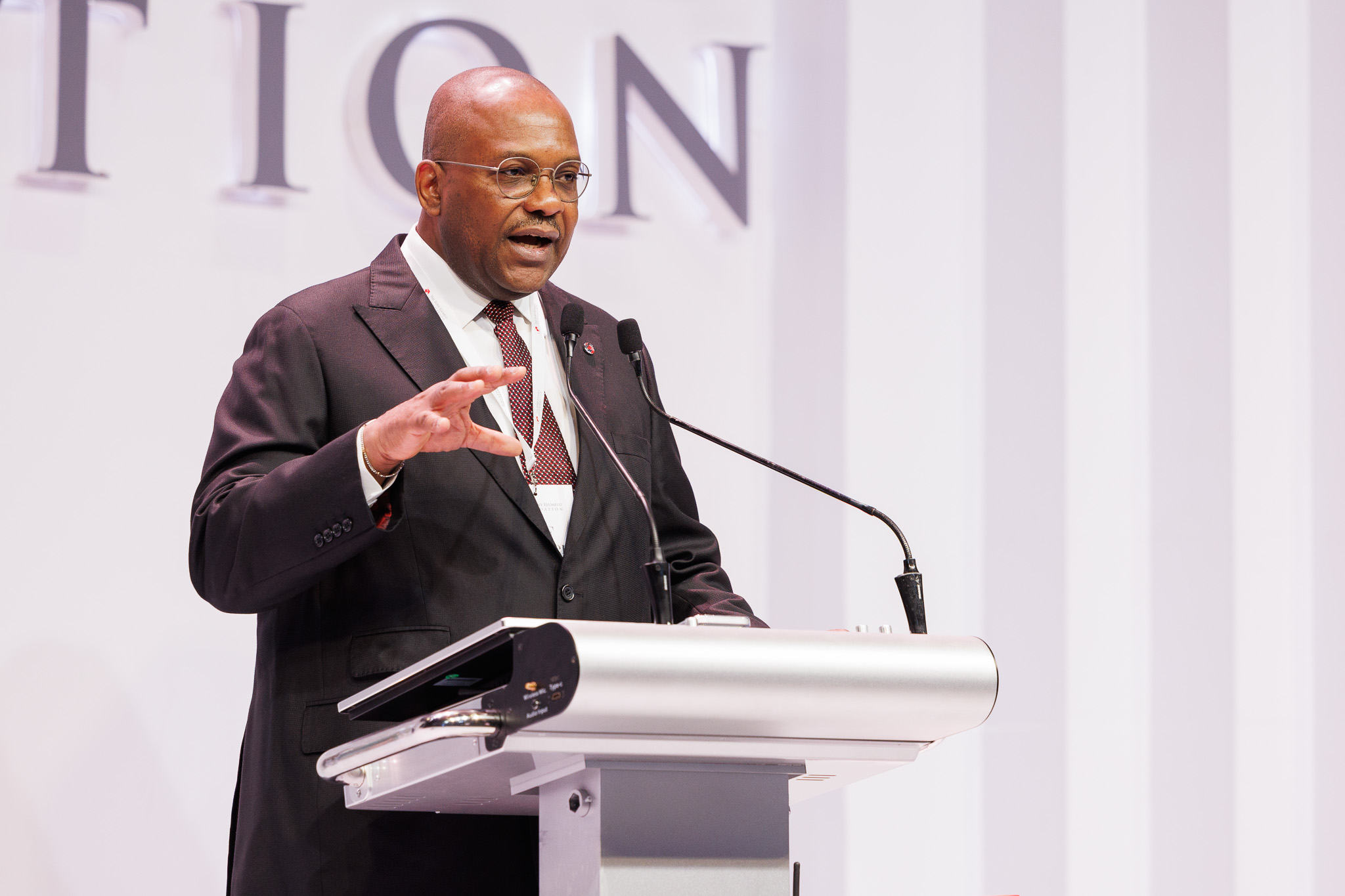
With Gastech Exhibition & Conference 2026 centred on “Where Global Energy Supply Meets Demand,” our CEO, Osa Igiehon, joined global energy leaders across three key engagements, bringing an African perspective to conversations on energy access, security, investment and industrial growth. His participation reinforced Heirs Energies’ focus on a practical pathway for Africa – moving from energy deficiency to energy sufficiency by converting the continent’s resources into reliable power, productive industry and economic value.

A. Gastech 2026 Opening Ceremony

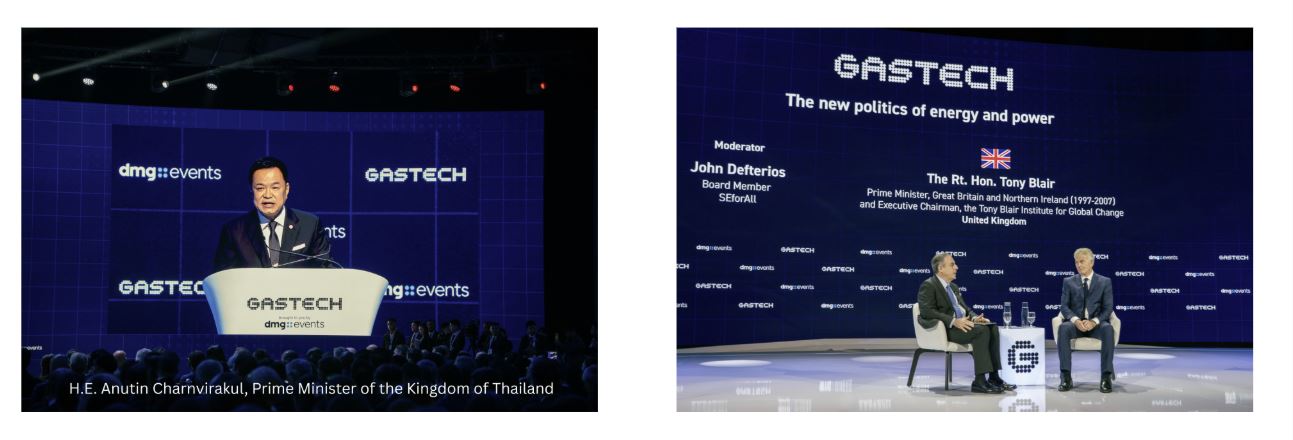
Gastech 2026 officially opened at BITEC, Bangkok, bringing together more than 50,000 energy professionals from over 150 countries across government, industry, investment, technology and infrastructure.

Our Chief Executive Officer, Osayande Igiehon, joined global energy leaders at the opening ceremony, which featured remarks from H.E. Anutin Charnvirakul, Prime Minister of Thailand, and H.E. Akanat Promphan, Minister of Energy, Thailand, as well as a fireside chat with The Rt. Hon. Tony Blair, former Prime Minister of the United Kingdom, on geopolitics, energy security and the need for reliable and affordable energy to support economic growth.

The opening set the tone for four days of discussions on energy security, investment, innovation, affordability and the infrastructure needed to meet rising global energy demand.


B. Power for All: Delivering Universal Energy Access in an Electrifying World 

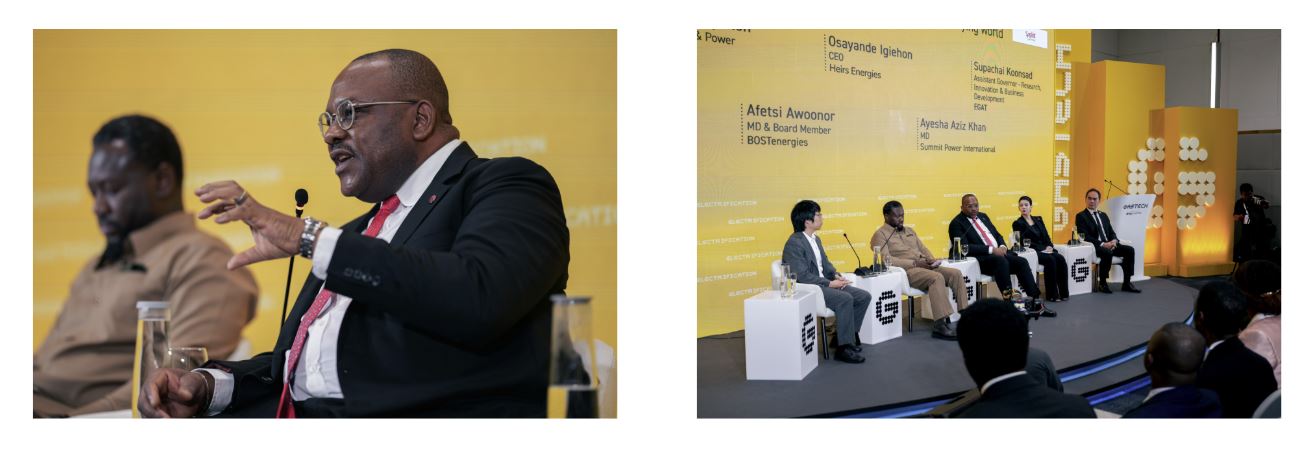
On Day 2, Osa joined the Electrification Theatre discussion on delivering universal access to reliable electricity as global demand rises. He highlighted Africa’s starting point, with nearly 600 million Africans still lacking reliable electricity access, and argued that the priority must be moving from energy deficiency to energy sufficiency, rather than treating the transition as a choice between fossil fuels and renewables.
He called for the expansion of gas, hydro, solar, wind and storage, alongside investment across the energy value chain and the optimisation of existing assets. For Africa, he stressed, we must add energy to the system before transforming the system. He also highlighted Nigeria’s opportunity to expand gas supply for domestic, regional and global markets, emphasising that access must translate into reliable power for hospitals, schools, homes, businesses and industries – driving productivity, jobs and economic growth.

C. Rising Economies, Rising Demand: How the Next Industrial Age Gets Powered

On Day 3, Osa joined discussions on the rapid growth of energy demand across emerging economies and the challenge of turning that demand into bankable projects, infrastructure and industrial growth. He emphasised that Africa does not have an energy-demand problem, but an energy-delivery problem – requiring credible offtake, connected infrastructure, stable policy and reliable payment structures to unlock investment.
He outlined three practical ways to close Africa’s energy-delivery gap: optimising existing brownfield capacity, developing connected new infrastructure, and integrating gas, renewables, storage and stronger grids.
He also highlighted the cost of unreliable power to African businesses, where spending on backup generation diverts capital from production, jobs and innovation.
Drawing on Heirs Energies’ experience, Osa highlighted OML 17, where gas production has grown from approximately 50 MMscf/d to 135 MMscf/d, with 100% directed to Nigeria’s domestic market, supporting five power plants and helping provide electricity to millions of Nigerians.
Across his Gastech engagements, Osa reinforced a consistent message: Africa must move from energy deficiency to energy sufficiency – by developing more energy, building the infrastructure to deliver it, and enabling African businesses and governments to play a greater role in shaping the continent’s energy future.

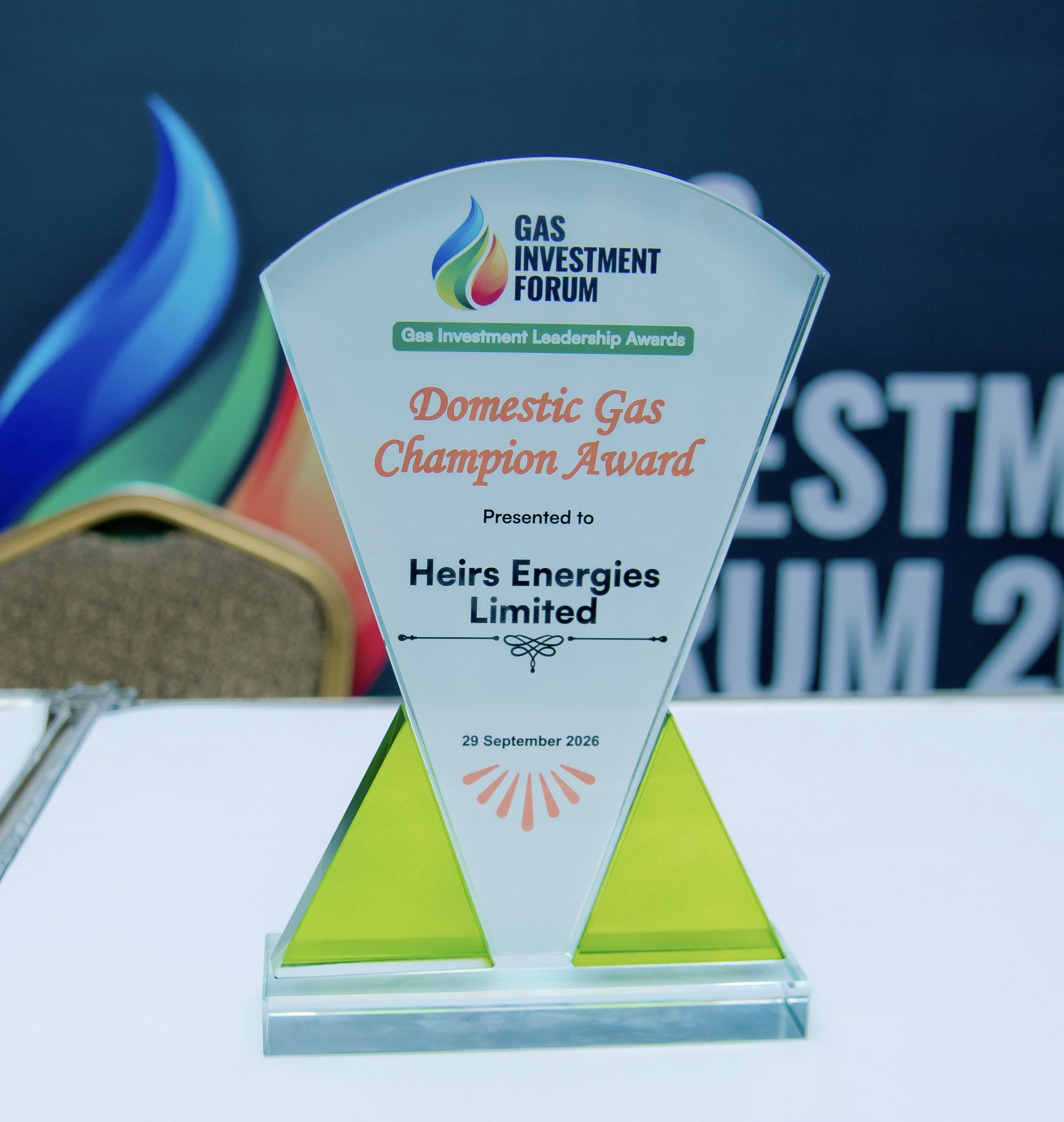
Heirs Energies Recognised as Domestic Gas Champion at 2026 Gas Investment Forum

Heirs Energies has been recognised with the Domestic Gas Champion Award at the 2026 Gas Investment Forum, affirming the measurable contribution of our gas operations to Nigeria’s energy security and economic development.

For us, gas must translate into more than production volumes. It must deliver power, enable industry, create economic opportunities and improve lives.

Today, 100% of our produced gas is supplied to Nigeria’s domestic market, feeding five power plants and enabling approximately 450MW of electricity generation, powering over two million homes – while supporting businesses and industries across the country.

This recognition demonstrates what is possible when indigenous capability, responsible resource development and disciplined execution are aligned with national priorities. It also strengthens our resolve to invest further in the infrastructure and innovation required to convert Nigeria’s abundant gas resources into reliable energy and lasting economic value.

We thank our employees, partners, government and regulatory stakeholders, host communities and customers for their continued trust and collaboration.

Together, we are turning Nigeria’s gas potential into power, productivity and shared prosperity.

Heirs Energies OML 17 JV and Redtech Commission Integrated Operations Monitoring Centre to Accelerate Digital Oilfield Operations

Port Harcourt, Nigeria | 29 June 2026

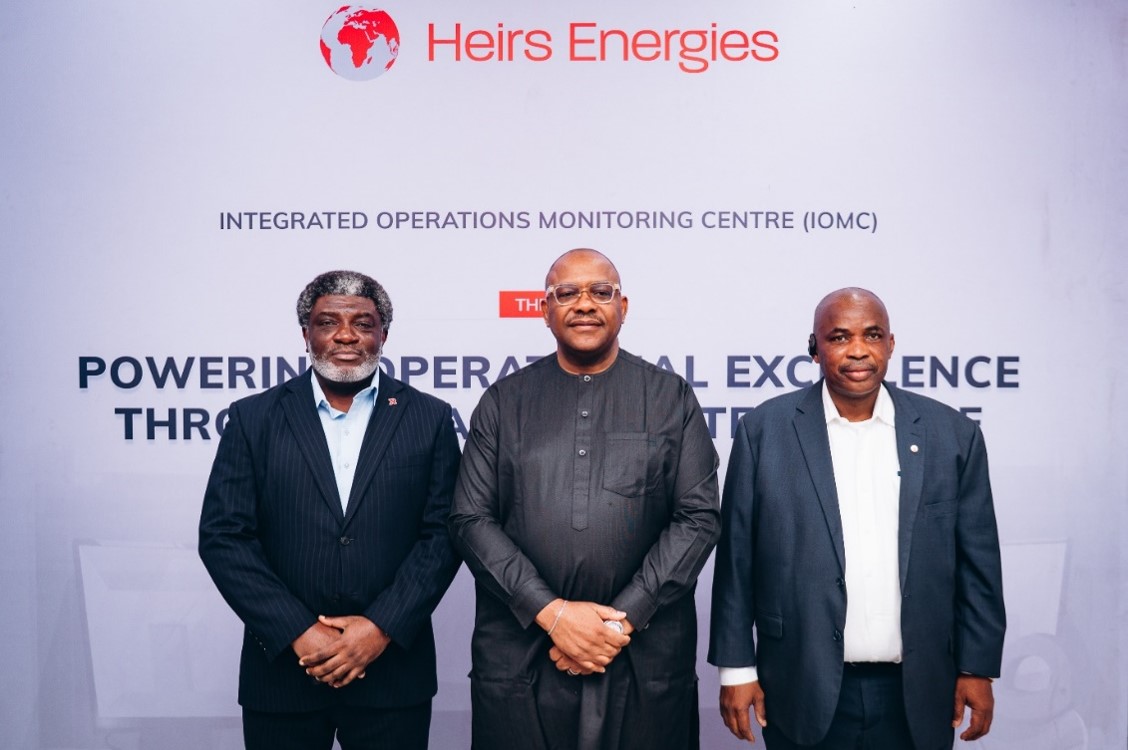
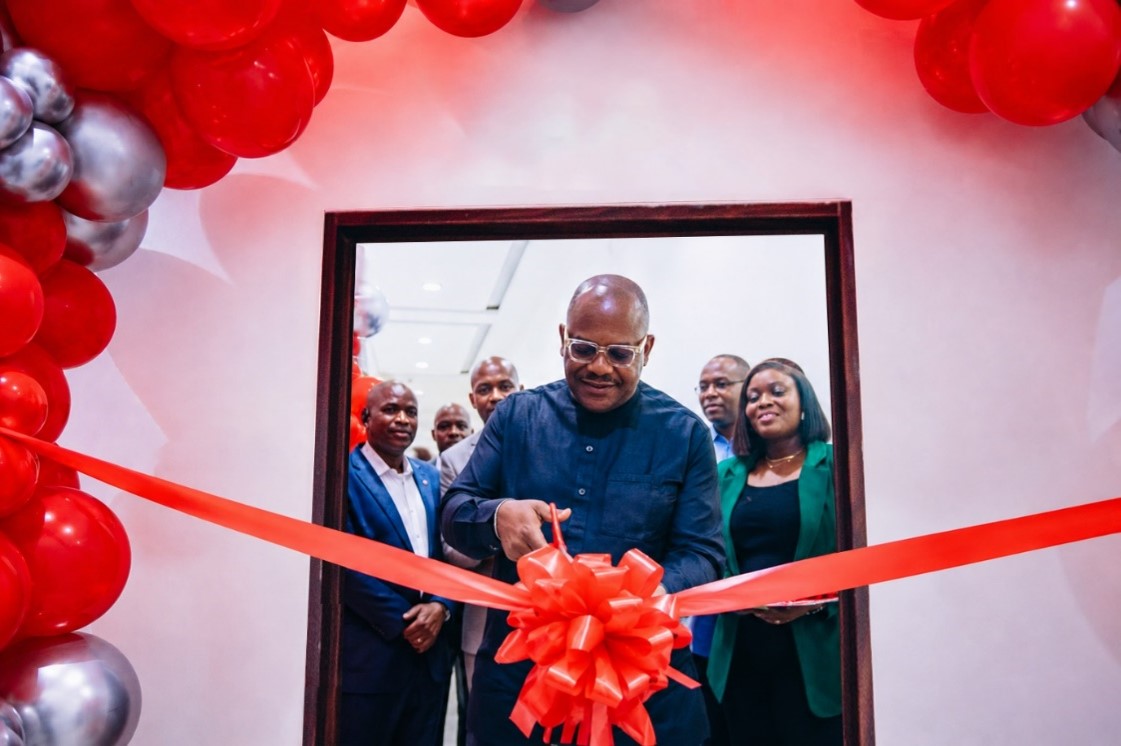
The Heirs Energies OML 17 Joint Venture, in collaboration with Redtech, has commissioned its Integrated Operations Monitoring Centre (IOMC), a next-generation digital operations hub designed to transform the way upstream assets are monitored, managed and optimised.

The launch marks a significant milestone in the Joint Venture’s commitment to operational excellence, innovation and technology-driven performance, bringing together operational intelligence, production monitoring, security surveillance, hydrocarbon evacuation, facility performance and critical asset data into a single integrated environment.

Developed through a collaboration between Heirs Energies, operator of OML 17, and Redtech, the technology company within the Heirs Holdings Group, the IOMC represents the convergence of energy expertise and digital innovation to enable faster decision-making, improved collaboration and greater operational visibility across OML 17.

Speaking at the commissioning, Osa Igiehon, Chief Executive Officer, Heirs Energies, said:

“The future of upstream operations will be driven by data, technology and intelligent decision-making. The Integrated Operations Monitoring Centre provides us with a real-time operational view of our assets, enabling quicker decisions, improved collaboration and enhanced operational efficiency. It reinforces our commitment to deploying innovation to deliver safer, smarter and more resilient operations across OML 17.”

The IOMC serves as the digital nerve centre of the Joint Venture, integrating operational data from multiple systems into a single platform that supports proactive decision-making, production optimisation, asset integrity and operational risk management. The Centre also strengthens the security of OML 17’s remote assets through a robust intruder detection and surveillance system, enabling real-time monitoring, early threat detection and faster incident response across critical facilities and infrastructure.

Beyond real-time monitoring, the Centre provides a foundation for future capabilities including predictive analytics, remote operations, artificial intelligence-enabled decision support and advanced production optimisation.

Emmanuel Ojo, Managing Director/CEO of Redtech, said the project demonstrates the value of leveraging technology to solve complex operational challenges.

“At Redtech, we believe technology should simplify operations, improve decision-making and create measurable business value. The IOMC demonstrates what is possible when digital innovation is applied to industrial operations. Working alongside Heirs Energies, we have delivered a platform that enables connected operations, intelligent monitoring and faster operational response. This is another example of how technology can unlock greater efficiency and performance across Africa’s energy sector.”

The commissioning also reflects the strength of the Heirs Holdings ecosystem, where collaboration between portfolio companies enables integrated solutions that improve operational performance and accelerate business transformation.

Since assuming operatorship of OML 17 in 2021, Heirs Energies has transformed one of Nigeria’s largest onshore assets through its Brownfield Excellence strategy, increasing oil production to over 50,000 barrels of oil per day while expanding domestic gas supply to over 135mmscf/d and improving operational reliability.

The addition of the Integrated Operations Monitoring Centre represents the next phase of this transformation, embedding digital capability at the heart of field operations and reinforcing the Joint Venture’s commitment to safe, efficient and technology-enabled energy production.

As Africa’s energy industry continues to evolve, the OML 17 Joint Venture remains committed to deploying innovation that strengthens operational performance, improves energy security and delivers long-term value to Nigeria.

About Heirs Energies

Heirs Energies Limited is Africa’s leading indigenous integrated energy company and operator of OML 17 on behalf of the NNPC/Heirs Energies Joint Venture. Since assuming operatorship in 2021, the Company has more than doubled oil production to over 50,000 barrels per day and increased gas production to approximately 120–135 million standard cubic feet per day through its Brownfield Excellence strategy.

Heirs Energies contributes approximately 5% of Nigeria’s crude oil production and 5% of the country’s domestic gas supply, playing a critical role in strengthening Nigeria’s energy security and supporting industrial and economic growth. The Company combines operational excellence, technology-driven innovation and sustainability to create long-term value for its stakeholders while advancing responsible energy development.

About Redtech

Redtech is a technology company building secure, reliable, and scalable systems that power prosperity for businesses across Africa.  Our business spans two pillars: RedPay® , a modern suite of payment solutions for businesses and consumers; and SITCOM®, our integrated energy-technology solutions for upstream oil & gas operators.

Heirs Energies Launches Agbada Green Corridor Initiative To Advance Environmental Sustainability

Omuohia, Rivers State | 9th June 2026


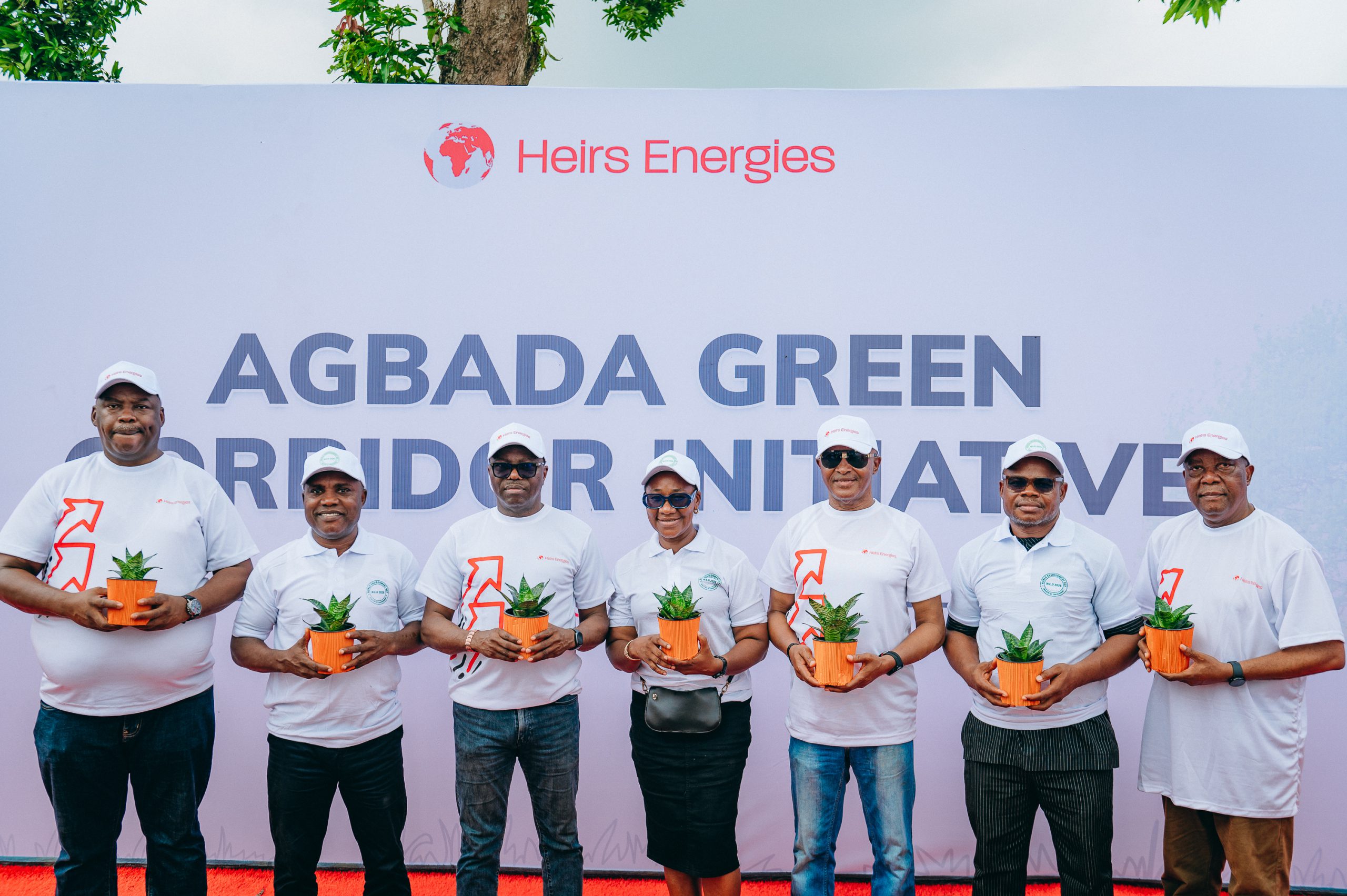
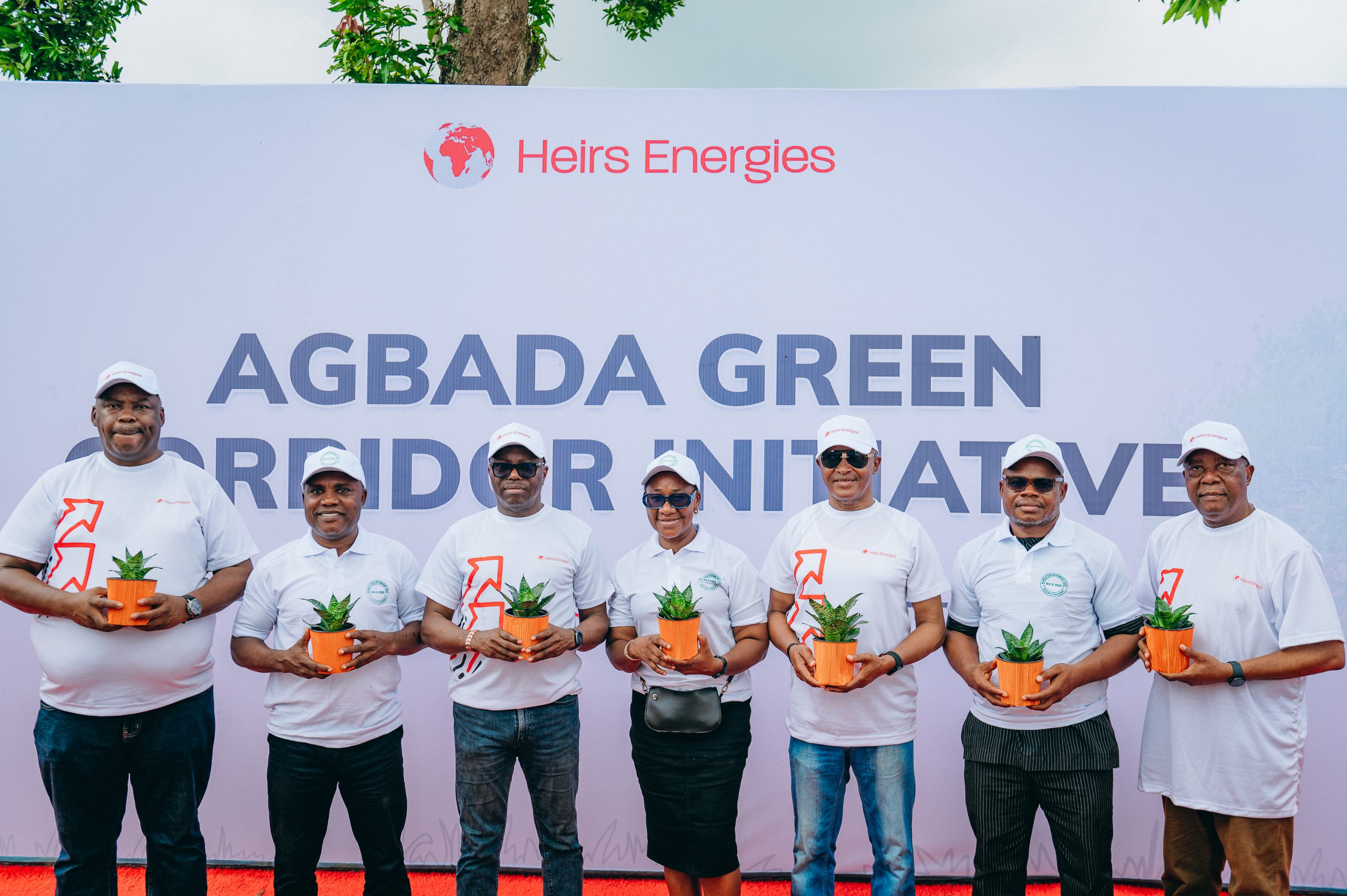
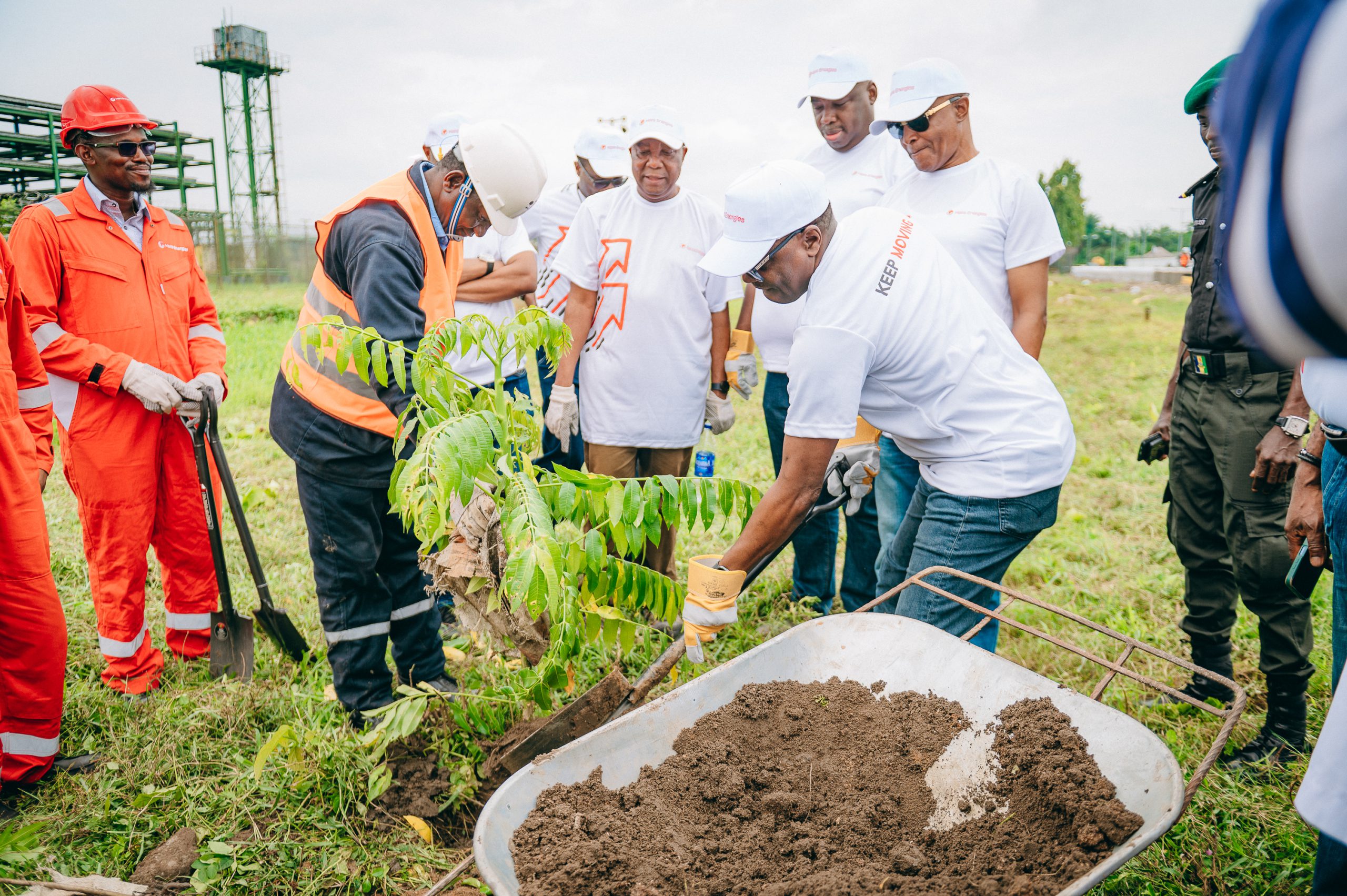
Heirs Energies has launched the Agbada Green Corridor Initiative, a tree-planting programme aimed at enhancing environmental sustainability, supporting biodiversity and strengthening climate resilience across its area of operations.


The initiative, launched along the Agbada Non-Associated Gas (NAG) Corridor in Omuohia Community, Rivers State, brought together representatives of the Rivers State Ministry of Environment, the OML 17 Host Communities Development Trust (HCDT), community leaders, environmental stakeholders and employees of Heirs Energies.


The programme forms part of the Company’s broader commitment to responsible energy development and environmental stewardship, demonstrating that energy production and environmental sustainability can progress hand in hand.


Speaking at the event, Bola Bode, Senior Vice President , Production, who represented the Chief Executive Officer of Heirs Energies, Osa Igiehon, noted that the initiative reflects the Company’s commitment to creating lasting value for both its host communities and the environment.


“As we continue to grow production and expand our oil and gas business, we recognise that our success is closely linked to the wellbeing of our host communities and the health of the environment in which we operate. The Agbada Green Corridor Initiative is one expression of our commitment to responsible operations and sustainable development,” he said.

The tree-planting exercise was conducted in partnership with the Rivers State Ministry of Environment and the Self Help and Rural Development Association (SHERDA), with support from the OML 17 HCDT and community stakeholders.


Representatives of the Rivers State Ministry of Environment commended the initiative and reaffirmed the importance of partnerships between government, communities and industry in promoting environmental protection and sustainable development.


The Agbada Green Corridor Initiative aligns with Heirs Energies’ sustainability agenda, which focuses on environmental stewardship, community partnership and long-term value creation. It also reinforces the Company’s commitment to supporting Nigeria’s energy security objectives while preserving the environment for future generations.


About Heirs Energies

Heirs Energies Limited is Africa’s leading indigenous-owned integrated energy company and operator of OML 17. Since assuming operatorship in 2021, the Company has more than doubled oil production to over 50,000 barrels per day and tripled gas production to over 135 million standard cubic feet per day. Heirs Energies contributes approximately 5% of Nigeria’s oil production and 5% of domestic gas supply, helping to advance energy security, economic growth and sustainable development across Africa.

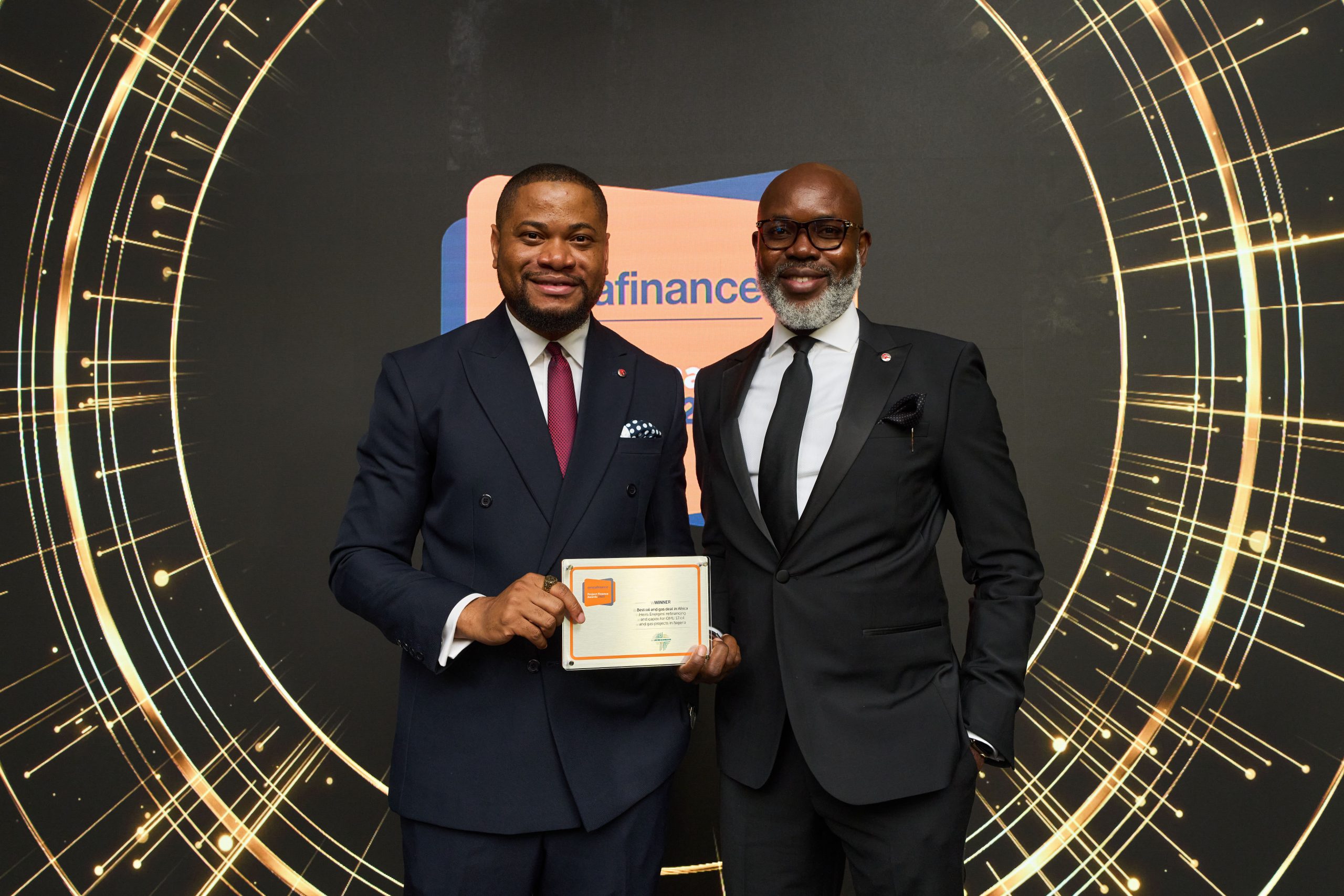
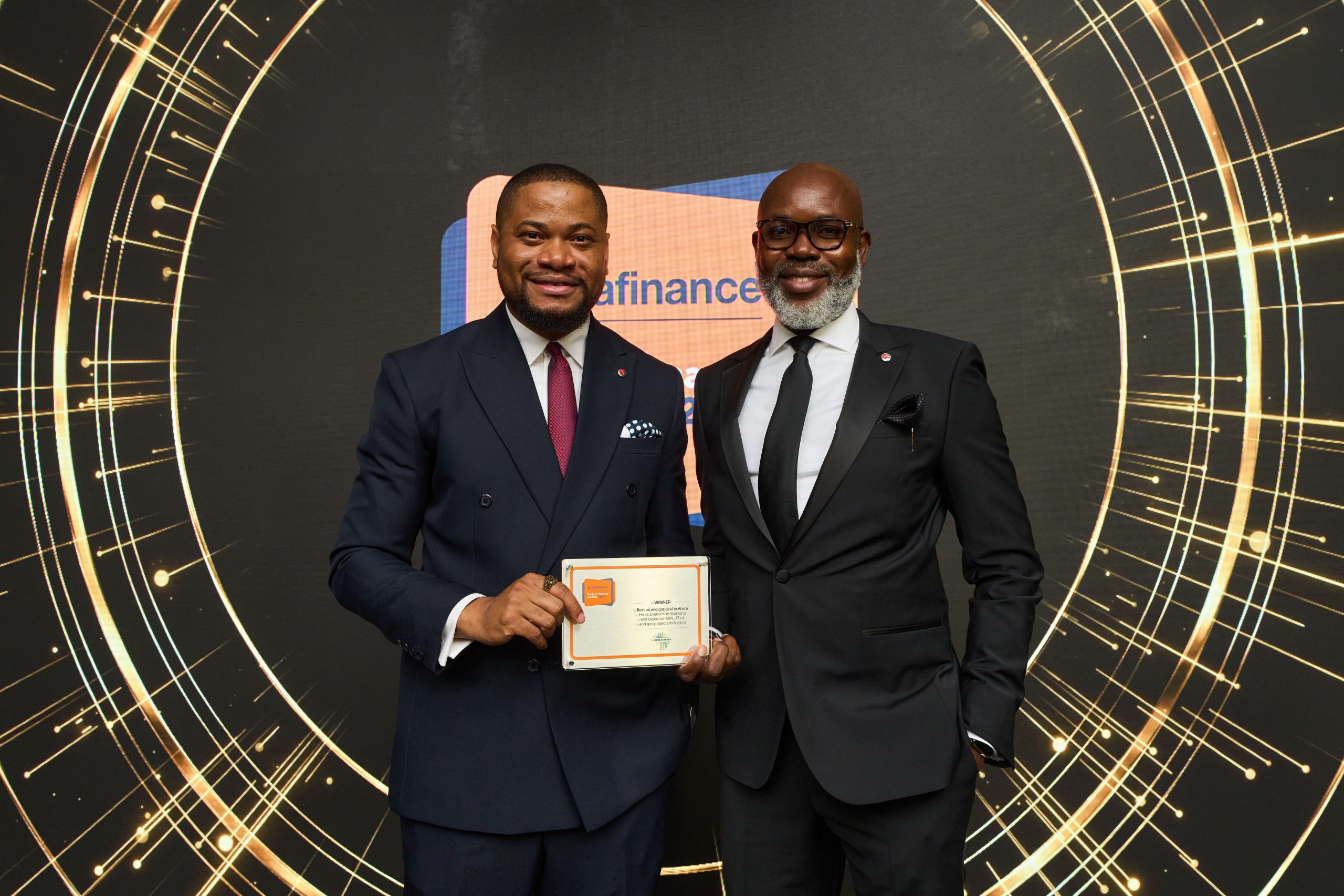
Heirs Energies’ US$750 Million Financing Named Best Oil & Gas Deal Of The Year

London, United Kingdom | 5 June 2026

Heirs Energies Limited, Africa’s leading indigenous-owned integrated energy company, has been recognised on the global stage after its landmark US$750 million dual-tranche Senior Secured Reserve-Based Lending (RBL) facility was named Best Oil & Gas Deal of the Year at the EMEA Finance Project Finance Awards 2026.


The award was presented on 3 June 2026 in London and recognises one of the largest financings secured by an indigenous African energy company. The transaction reflects the vision of Heirs Energies’ Chairman, Tony O. Elumelu, CFR, that African institutions and African-led businesses can successfully mobilise capital to unlock the continent’s resources, advance energy security, and create long-term economic value.


Executed with the African Export-Import Bank (Afreximbank), the US$750 million financing was structured to accelerate field development, optimise production, and support Heirs Energies’ long-term growth ambitions, while maintaining disciplined capital management.


Commenting on the recognition, Osa Igiehon, Chief Executive Officer of Heirs Energies, said:

“This recognition reflects the confidence that African and international financial institutions continue to place in Heirs Energies, our strategy, and our long-term vision.


The transaction demonstrates that indigenous African energy companies can successfully structure and execute world-class financing solutions that support investment, growth, and value creation. We are proud to receive this award and grateful to our financing partners, advisers, and stakeholders whose support made it possible.”


Mr. Haytham ElMaayergi, Executive Vice President, Global Trade Bank at Afreximbank, said: “We are truly honoured that the US$750 million dual-tranche Senior Secured Reserve-Based Lending facility for Heirs Energies has been recognised as Best Oil & Gas Deal of the Year by the EMEA Finance Project Finance Awards.


This recognition underscores the importance of well-structured, Africa-focused financing in supporting indigenous energy companies with strong governance, high-quality assets and clear long-term growth plans. Afreximbank was proud to support this landmark transaction, which demonstrates how African financial institutions can help mobilise capital for strategic businesses that advance energy security, production capacity and sustainable value creation across the continent.


We congratulate Heirs Energies and all the partners involved in the transaction and are pleased to see this important financing recognised on such a respected international platform.”


Samuel Nwanze, Executive Director and Chief Financial Officer of Heirs Energies, added:

“This award validates the strength of the transaction and the confidence our financing partners placed in Heirs Energies.


The facility was designed to support our long-term growth strategy, enabling continued investment in field development, production optimisation, and sustainable value creation. We are pleased to see the transaction recognised on such a respected global platform.”


The financing represented a major milestone in Heirs Energies’ evolution from acquisition-led financing to a capital structure aligned with the long-term development profile of its reserves. It further reinforced the Company’s position as a leading indigenous energy producer and demonstrated the ability of African institutions to finance transformational African businesses.


The EMEA Finance Project Finance Awards recognise outstanding transactions across Europe, the Middle East, and Africa, celebrating excellence, innovation, and impact in project and structured finance.


About Heirs Energies

Heirs Energies Limited is Africa’s leading indigenous-owned integrated energy company and operator of OML 17. Since assuming operatorship in 2021, the Company has more than doubled oil production to over 50,000 barrels per day and tripled gas production to over 135 million standard cubic feet per day. Heirs Energies contributes approximately 5% of Nigeria’s oil production and 5% of domestic gas supply, helping to advance energy security, economic growth and sustainable development across Africa.


Media Contact:

Chidimma Ugbojiaku

AVP, External , Government Relations, Brand & Corporate Communications

Email: Chidimma.Ugbojiaku@Heirsenergies.com


About Afreximbank

African Export-Import Bank (Afreximbank) is a Pan-African multilateral financial institution mandated to finance and promote intra- and extra-African trade. For over 30 years, the Bank has been deploying innovative structures to deliver financing solutions that support the transformation of the structure of Africa’s trade, accelerating industrialisation and intra-regional trade, thereby boosting economic expansion in Africa. A stalwart supporter of the African Continental Free Trade Agreement (AfCFTA), Afreximbank has launched a Pan-African Payment and Settlement System (PAPSS) that was adopted by the African Union (AU) as the payment and settlement platform to underpin the implementation of the AfCFTA. Working with the AfCFTA Secretariat and the AU, the Bank has set up a US$10 billion Adjustment Fund to support countries effectively participating in the AfCFTA. At the end of December 2025, Afreximbank’s total assets and contingencies stood at over US$48.5 billion, and its shareholder funds amounted to US$8.4 billion. Afreximbank has investment grade ratings assigned by China Chengxin International Credit Rating Co., Ltd (CCXI) (AAA), GCR (A), Japan Credit Rating Agency (JCR) (A-), and. Moody’s (Baa2). Afreximbank has evolved into a group entity comprising the Bank, its equity impact fund subsidiary called the Fund for Export Development Africa (FEDA), and its insurance management subsidiary, AfrexInsure (together, “the Group”). The Bank is headquartered in Cairo, Egypt.


Media Contact:

Vincent Musumba

Communications and Events Manager (Media Relations)

Email: press@afreximbank.com

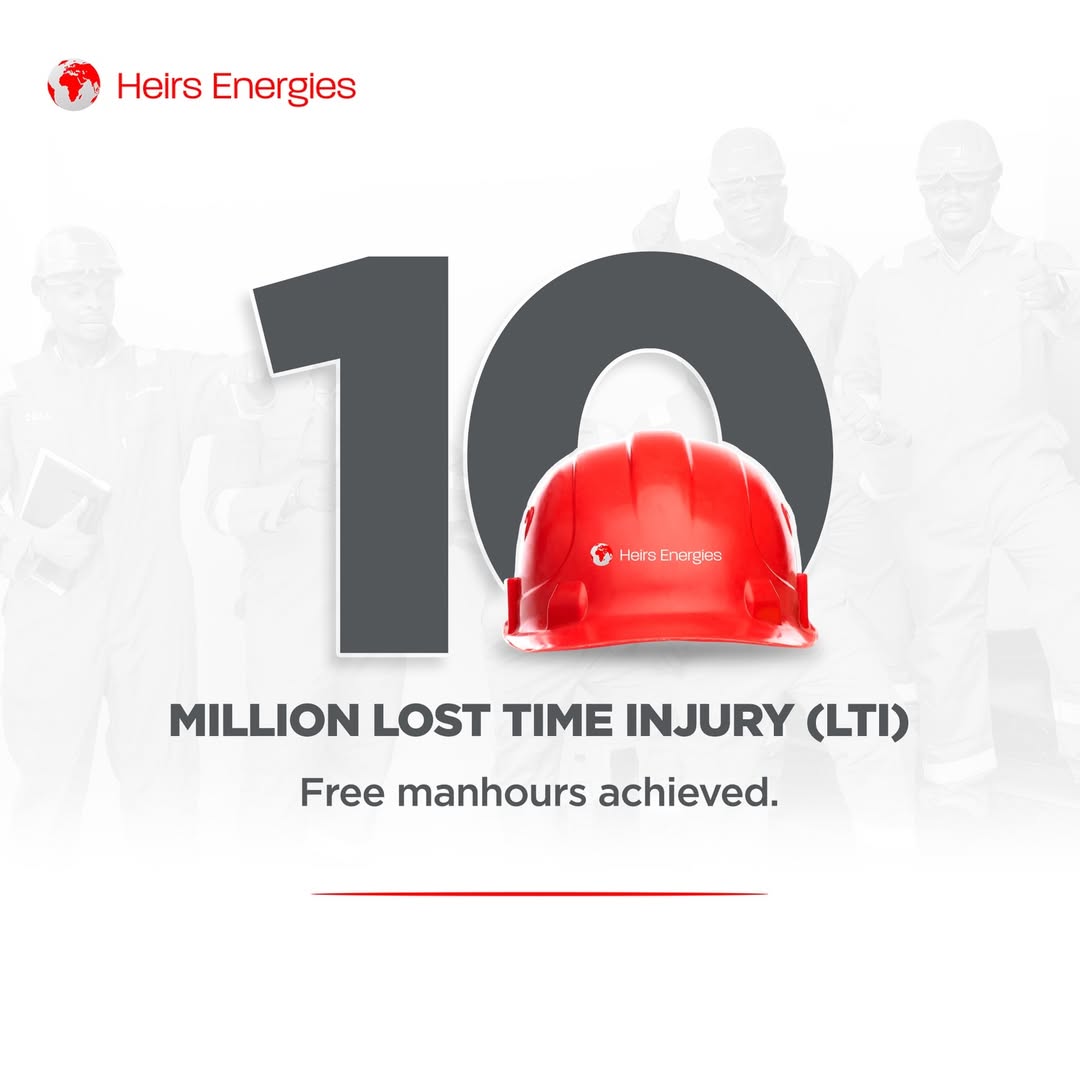
Heirs Energies has achieved 10 million Lost Time Injury (LTI)-free manhours

Heirs Energies has achieved a major safety milestone -10 million manhours without a Lost Time Injury (LTI), reinforcing its strong commitment to protecting its people and operating responsibly.

Since assuming operatorship of OML 17 over five years ago, Heirs Energies has prioritised safety as a core pillar of its operations. Beyond the metrics, this achievement represents something far more meaningful: lives protected, families kept whole, and a sustained culture where safety is never compromised.

Operating at scale across one of Nigeria’s most active onshore assets, Heirs Energies has demonstrated that strong performance and stringent safety standards are not mutually exclusive. Instead, they are mutually reinforcing. This milestone reflects a disciplined approach to risk management, continuous learning, and a shared responsibility for safety across Heirs Energies.

Central to this success is Heirs Energies’ Empowerment-Based Safety Model, anchored on the principle that “Everyone is a Safety Officer.” By design, the model moves safety beyond policies and procedures, embedding it into everyday decision-making and behaviour. Every employee – across technical, commercial, and corporate functions – is empowered and expected to take ownership of safety outcomes.

This approach has fostered a proactive safety culture, where individuals are not only aware of risks but are confident and accountable in addressing them. It reinforces the company’s belief that safety is only as strong as its most recent performance, requiring constant vigilance and collective discipline.

This is a proud moment for Heirs Energies and a strong reminder that with the right culture and discipline, safety and performance can go hand in hand.

Heirs Energies Drives African Entrepreneurship, Invests $10 million in 2,000 Startups

March 23, 2026

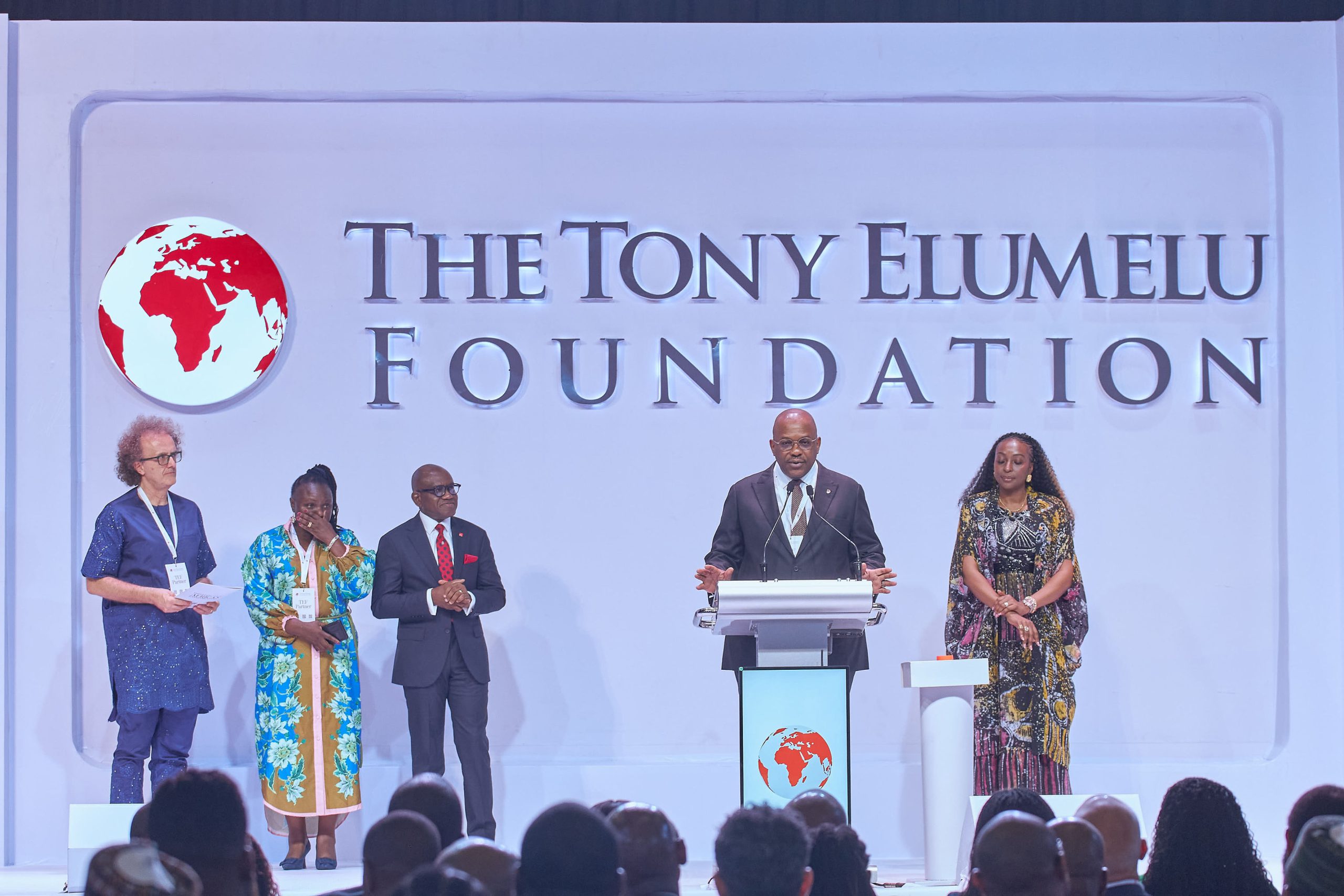
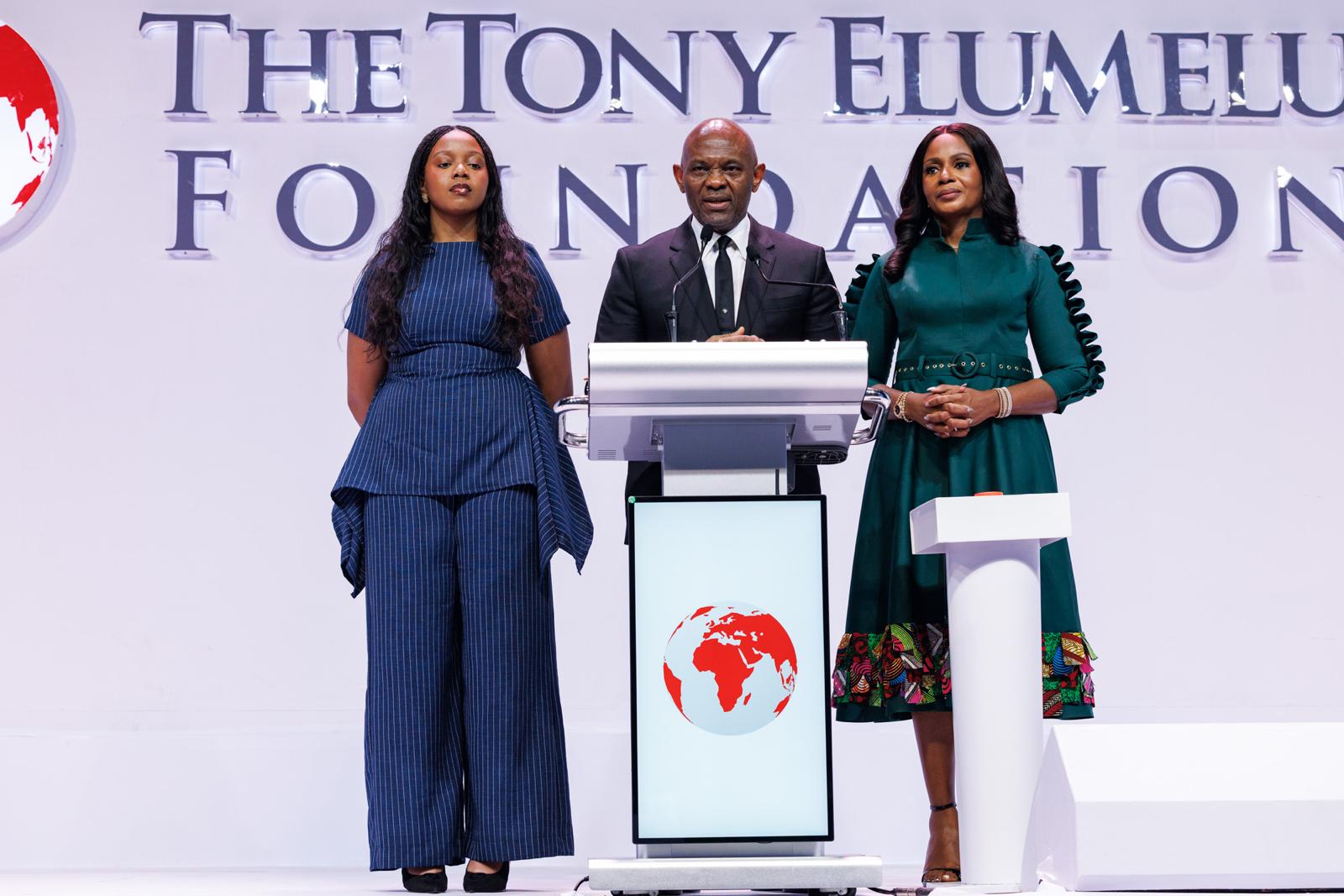
Heirs Energies is supporting the Tony Elumelu Foundation’s (TEF) 2026 cohort of 3,200 African entrepreneurs, helping to drive enterprise growth and job creation across the continent.

The entrepreneurs, drawn from all 54 African countries, were selected from more than 265,000 applicants and unveiled in Abuja on Sunday by TEF Founder and Chairman, Tony O. Elumelu, CFR. The scale of applications highlights both the depth of entrepreneurial activity across Africa and the growing demand for early-stage capital and business support.

“The future of Africa will be built by Africans who create businesses, generate jobs and solve the challenges of our continent,” Elumelu said. “Empowering entrepreneurs remains the most sustainable path to economic transformation.”

Heirs Energies said its support forms part of a broader strategy to link energy development with economic expansion, particularly in regions where access to capital, infrastructure and opportunity remains uneven.

Speaking at the event, Chief Executive Officer Osayande Igiehon said the company is positioning its operations to deliver both energy supply and long-term economic value.

“Sustainable energy development must be matched by sustained investment in people and enterprise,” Igiehon said. “Our partnership with the Tony Elumelu Foundation reflects a deliberate effort to expand opportunity while strengthening the communities in which we operate.”

Operating in OML 17 in the Niger Delta, Heirs Energies continues to deliver targeted interventions across enterprise development, education, healthcare and infrastructure.

To date, the company has:

  • Empowered over 500 youths through skills acquisition and enterprise development programmes
  • Supported over 1,621 students through educational grants
  • Reached more than 18,000 people through medical outreach programmes
  • Delivered over 135 community infrastructure projects, with additional projects at advanced stages of completion

Beyond its host communities, Heirs Energies supplies gas into Nigeria’s domestic network, enabling over 350MW of electricity generation – powering homes, schools and industries, and supporting broader economic activity.

Through its partnership with TEF, Heirs Energies has committed over $10 million to support 2,000 African entrepreneurs across two programme cycles.

In 2025, the company supported 1,000 entrepreneurs, with 40% from the Niger Delta, including over 150 from Rivers State.

In 2026, Heirs Energies is supporting another 1,000 entrepreneurs, with 50% from the Niger Delta, deepening its focus on its host region.

Women account for 48% of beneficiaries, reflecting a strong commitment to inclusive growth.

Within Nigeria, impact is concentrated in the Niger Delta, particularly in Rivers State and surrounding communities, alongside broader participation across the country and other African markets.

Across Africa, youth unemployment and limited access to financing continue to constrain business growth, despite rising entrepreneurial activity. Programmes such as TEF play a critical role in bridging this gap, combining capital with mentorship and training.

Heirs Energies said its continued collaboration with TEF reflects a shared focus on enterprise development, job creation and broader economic participation across the continent.

About Heirs Energies

Heirs Energies is an indigenous integrated energy company operating in Nigeria, focused on oil and gas production and domestic gas supply to power generation. The company combines energy delivery with targeted investment in community development and economic inclusion.

Media Contact

Heirs Energies Limited
Chidimma Ugbojiaku
Chidimma.Ugbojiaku@Heirsenergies.com