

With Gastech Exhibition & Conference 2026 centred on “Where Global Energy Supply Meets Demand,” our CEO, Osa Igiehon, joined global energy leaders across three key engagements, bringing an African perspective to conversations on energy access, security, investment and industrial growth. His participation reinforced Heirs Energies’ focus on a practical pathway for Africa – moving from energy deficiency to energy sufficiency by converting the continent’s resources into reliable power, productive industry and economic value.

A. Gastech 2026 Opening Ceremony
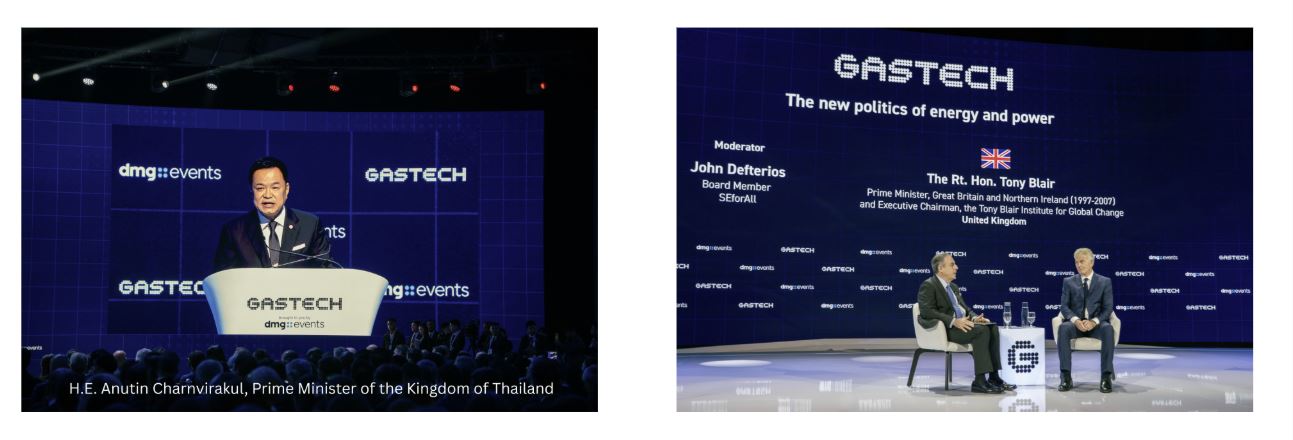
Gastech 2026 officially opened at BITEC, Bangkok, bringing together more than 50,000 energy professionals from over 150 countries across government, industry, investment, technology and infrastructure.

Our Chief Executive Officer, Osayande Igiehon, joined global energy leaders at the opening ceremony, which featured remarks from H.E. Anutin Charnvirakul, Prime Minister of Thailand, and H.E. Akanat Promphan, Minister of Energy, Thailand, as well as a fireside chat with The Rt. Hon. Tony Blair, former Prime Minister of the United Kingdom, on geopolitics, energy security and the need for reliable and affordable energy to support economic growth.

The opening set the tone for four days of discussions on energy security, investment, innovation, affordability and the infrastructure needed to meet rising global energy demand.


B. Power for All: Delivering Universal Energy Access in an Electrifying World 
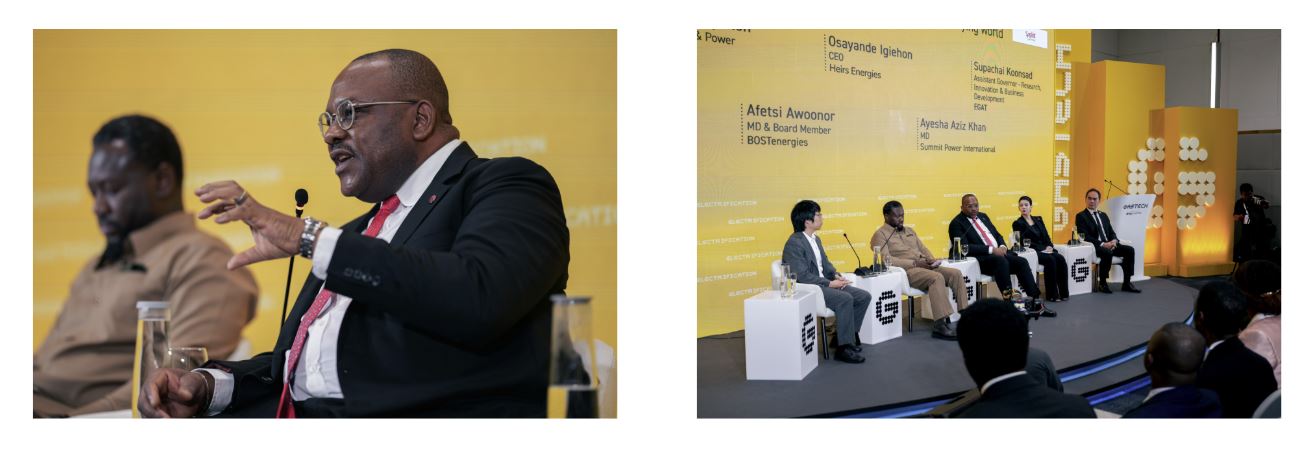
On Day 2, Osa joined the Electrification Theatre discussion on delivering universal access to reliable electricity as global demand rises. He highlighted Africa’s starting point, with nearly 600 million Africans still lacking reliable electricity access, and argued that the priority must be moving from energy deficiency to energy sufficiency, rather than treating the transition as a choice between fossil fuels and renewables.
He called for the expansion of gas, hydro, solar, wind and storage, alongside investment across the energy value chain and the optimisation of existing assets. For Africa, he stressed, we must add energy to the system before transforming the system. He also highlighted Nigeria’s opportunity to expand gas supply for domestic, regional and global markets, emphasising that access must translate into reliable power for hospitals, schools, homes, businesses and industries – driving productivity, jobs and economic growth.

C. Rising Economies, Rising Demand: How the Next Industrial Age Gets Powered
On Day 3, Osa joined discussions on the rapid growth of energy demand across emerging economies and the challenge of turning that demand into bankable projects, infrastructure and industrial growth. He emphasised that Africa does not have an energy-demand problem, but an energy-delivery problem – requiring credible offtake, connected infrastructure, stable policy and reliable payment structures to unlock investment.
He outlined three practical ways to close Africa’s energy-delivery gap: optimising existing brownfield capacity, developing connected new infrastructure, and integrating gas, renewables, storage and stronger grids.
He also highlighted the cost of unreliable power to African businesses, where spending on backup generation diverts capital from production, jobs and innovation.
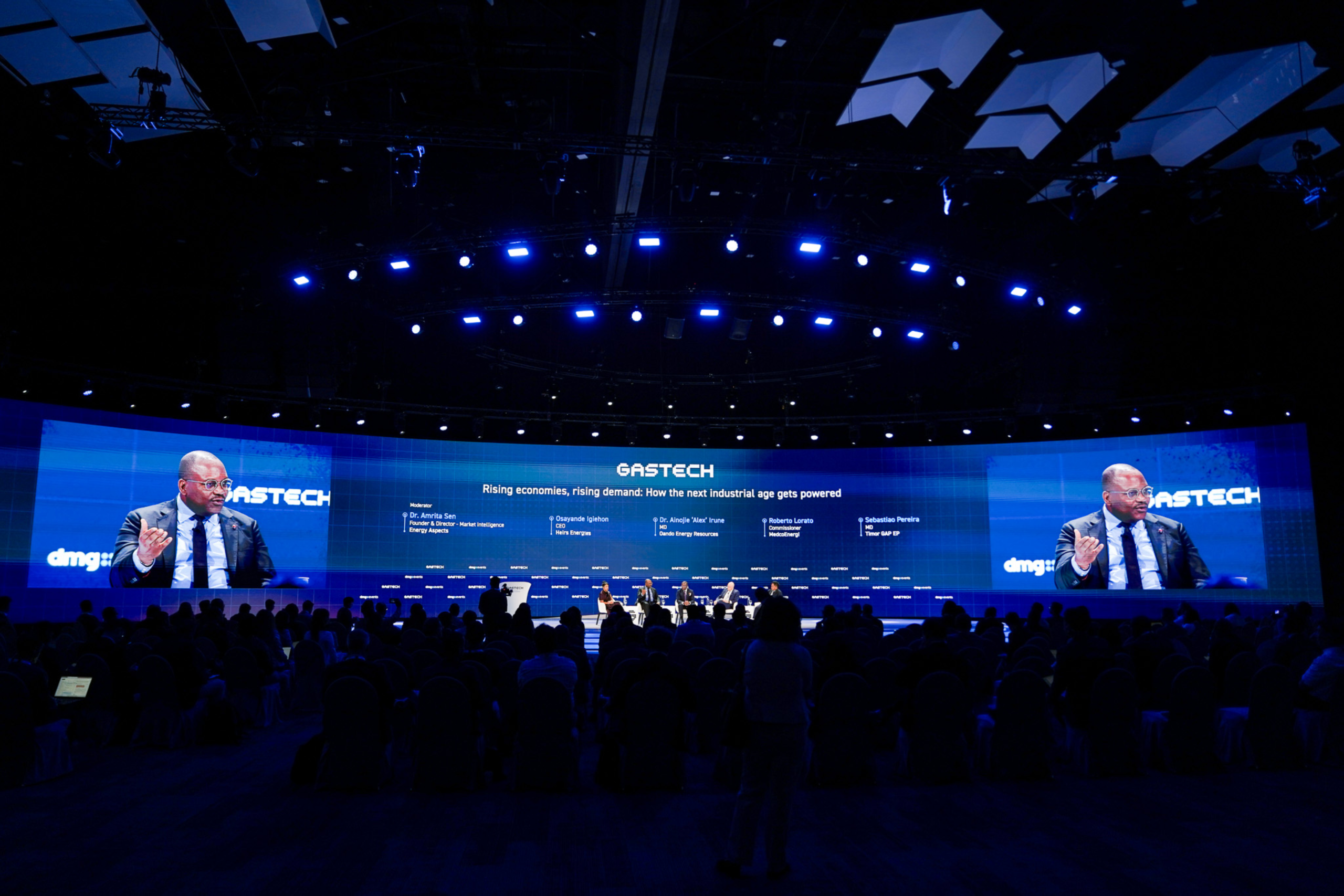
Drawing on Heirs Energies’ experience, Osa highlighted OML 17, where gas production has grown from approximately 50 MMscf/d to 135 MMscf/d, with 100% directed to Nigeria’s domestic market, supporting five power plants and helping provide electricity to millions of Nigerians.
Across his Gastech engagements, Osa reinforced a consistent message: Africa must move from energy deficiency to energy sufficiency – by developing more energy, building the infrastructure to deliver it, and enabling African businesses and governments to play a greater role in shaping the continent’s energy future.